|
Home > Articles
> Coffee Grinders
Grinders: Blades, Burrs, or Biceps?
Introduction
In this article, we explore the different
kinds of grinders, along with their advantages
and disadvantages. The three major groups
discussed will be automatic blade grinders,
automatic burr grinders, and hand crank burr or
blade grinders. So then, let's begin.
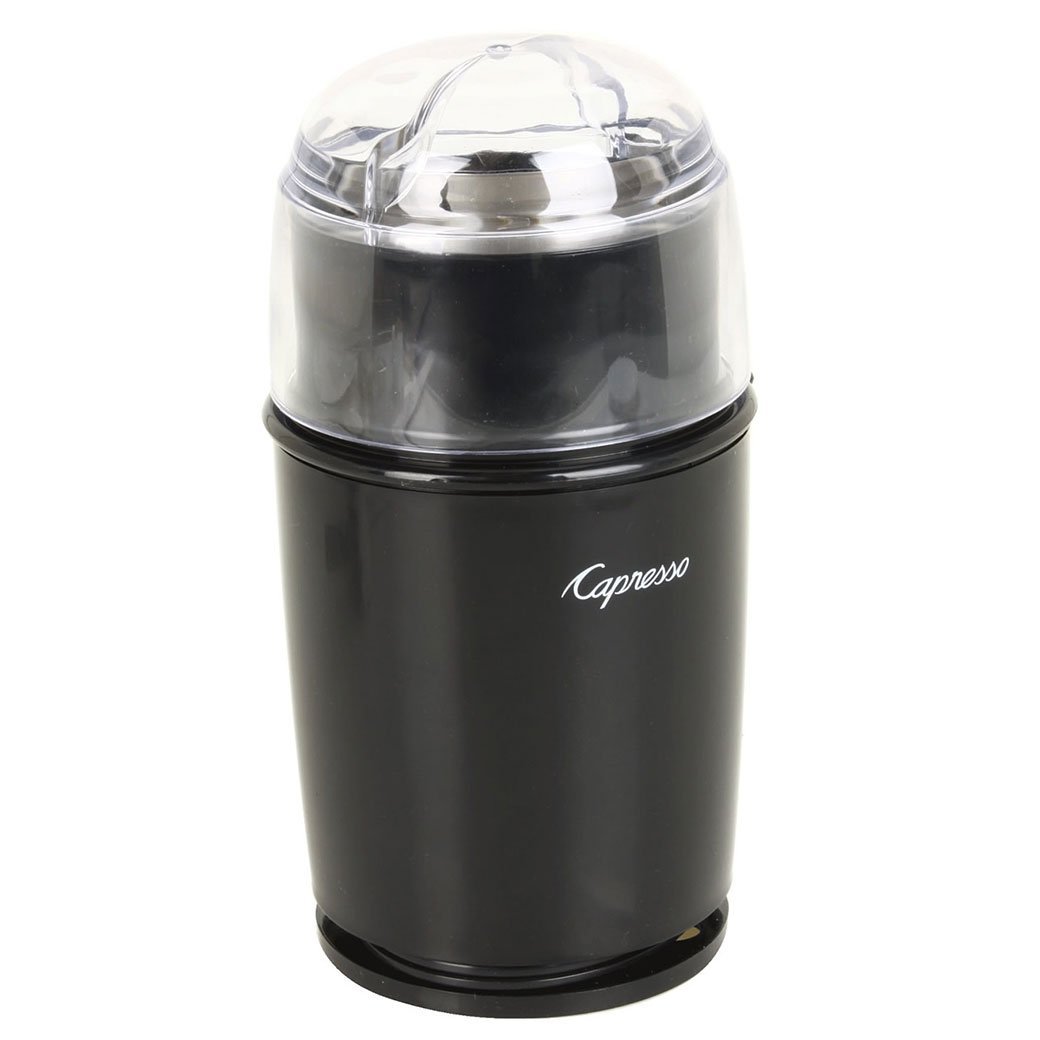
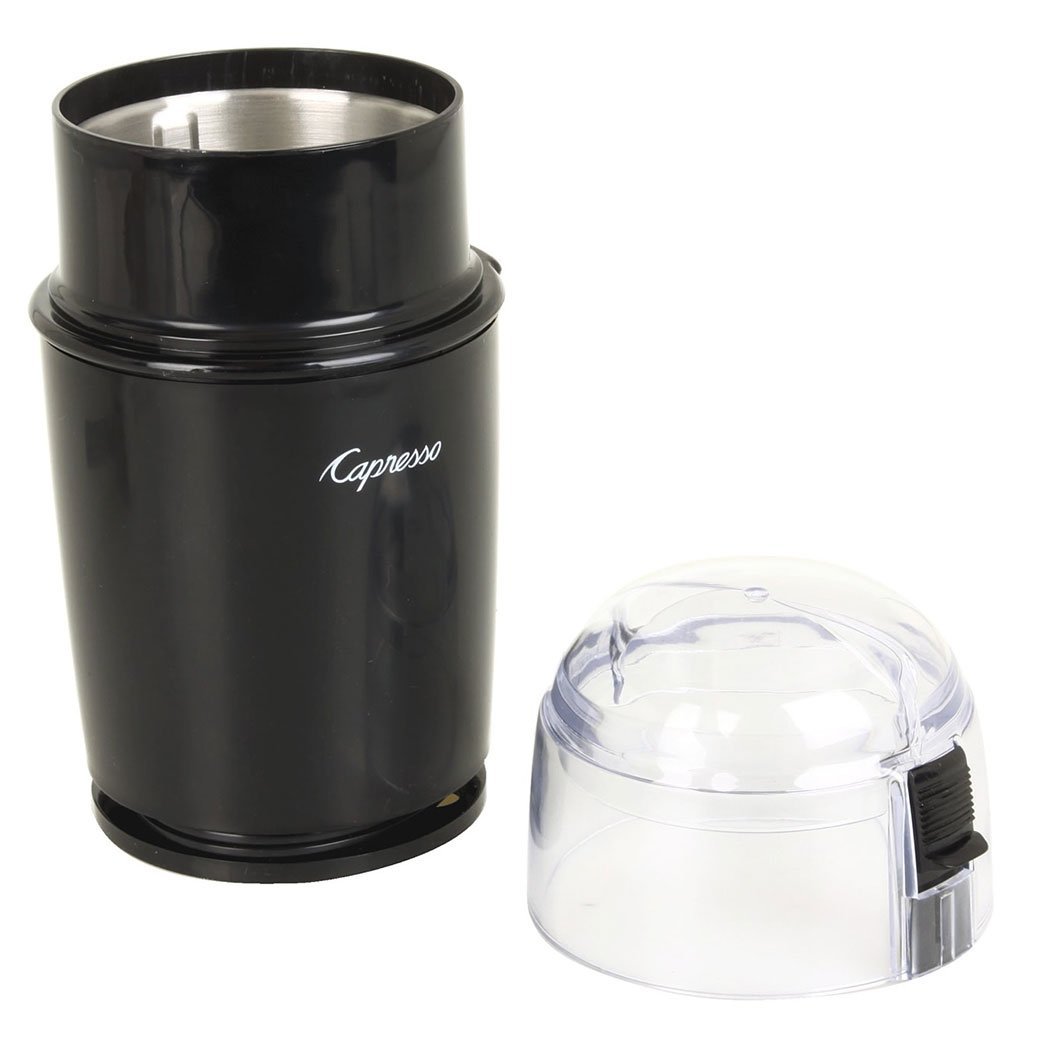
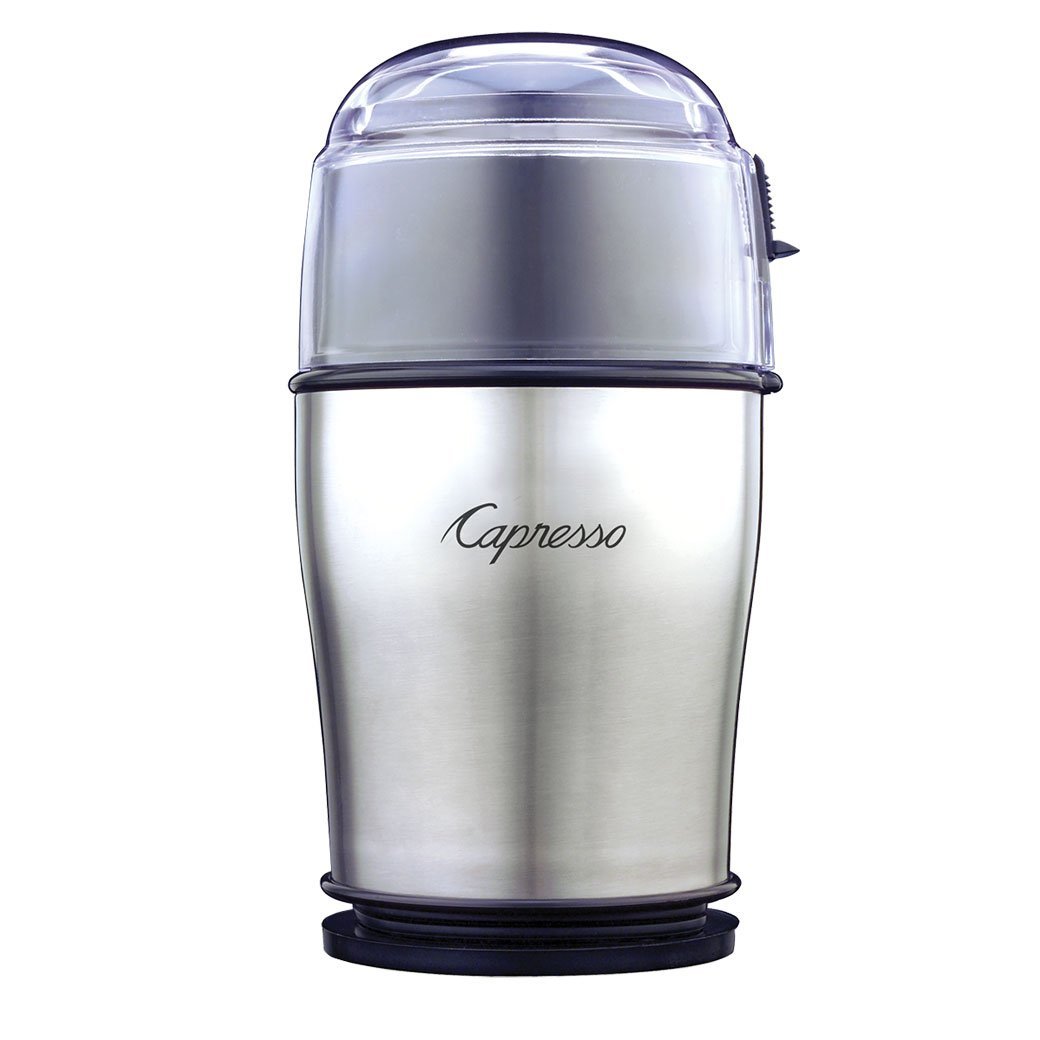
Blade
A blade grinder
uses blades to grind. Sounds easy enough, on to
the next topic... Well, there is a bit more to
it. It's true, a blade grinder works like a dry
mix blender. It chops the coffee beans into
little bits. Generally, the longer you grind,
the smaller the bits get. In order to get an
espresso grind (if possible) out of a blade
grinder, you have to grind for quite some time,
up to sixty seconds and sometimes more. If you
want a coarse grind, you are generally going to
grind between ten to twenty-five seconds
(depending on the grinder). For most drip coffee
makers, you are looking at twenty to forty-five
seconds of grinding. So, the whole process is
pretty simple, just grind longer for finer
granules. In addition to simplicity, these
grinders are very inexpensive, ranging anywhere
from $15.00 to $30.00.
Now comes the
catches. And there are a few, but they are pretty
significant. First, the coffee beans get ground
relatively unevenly, or in a not uniformed way.
Some large chunks, some tiny ones, and some just
right. So, inconsistency of grind size is one
characteristic that is bad. The second
characteristic that is bad is that the metal
blades that spin around will heat the beans the
longer they are grinding. Now let's
explore these characteristics a bit more in
depth.
When you grind
coffee beans, you are breaking them into chunks
so that they can most easily release soluble
solids (that's the good stuff) into the hot
water used to brew. The longer the brew time,
the larger grain your coffee grounds should be,
because it takes that much longer to extract the
right amount of oils. If you use too fine a
grind in a process (like percolation) which
normally requires a larger grain, you will
extract too much of the oils, and your coffee
will taste bitter. If you load up an espresso
porta-filter with coarse grinds, the water will
come out a very light tan with no crema, because
the grounds were not soaked long enough.
The point? You
need the right size coffee grain for the brewing
application. And if blade grinders are
notorious for producing inconsistent grain
sizes, they may produce the wrong sized coffee
grains for your brewing application. This could
result in very strange tasting coffee. However,
to the untrained palate, the larger grains and
smaller grains extract oils in such a way as to
even each other out. To the connoisseurs, this
flavor results in a characteristic cup we like
to call "uneven" or "undrinkable".
So that's problem
number one. The second problem, recall, was
that there was significant heat transfer from
blade to coffee. To figure out the problem with
this just think about what happens when you heat
up certain other foods, like vegetables. The
longer you heat them up, the blander they taste,
right? Well, coffee is similar in that the
oxidation, which is responsible for releasing
aromatics, occurring at a coffee grain's
surface, accelerates when heated. Try
thinking of it another way. We sell a
blender, the Vita-Mix 5000, which can make hot
soup in less than 10 minutes simply by blending
ingredients. How does it accomplish this?
The spinning metal blades generate so much heat
that the entire mixture is brought to near
boiling temperature. So, the faster that
metal coffee grinder blades spin, the hotter the
coffee gets. Again, to the
untrained palate, this is no big deal. But,
chances are, if you are reading an article about
coffee grinding, you are a bit more interested
than the common supermarket coffee consumer.
All in all,
whatever the advantage blade grinders have in
terms of price and ease of use are diminished in
the face of their significant disadvantages. To
the true coffee snob, a blade grinder is maybe
good for chopping up herbs, and that's about it.
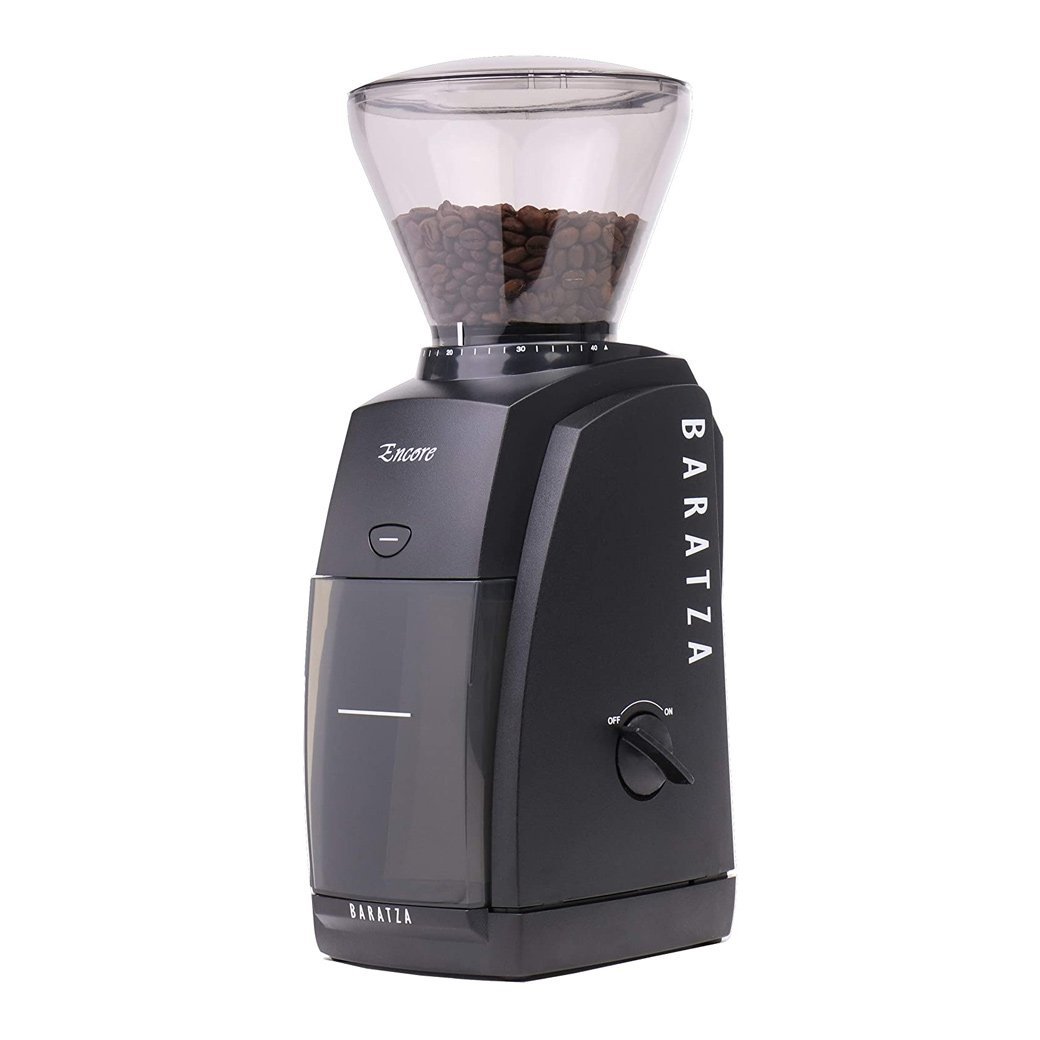
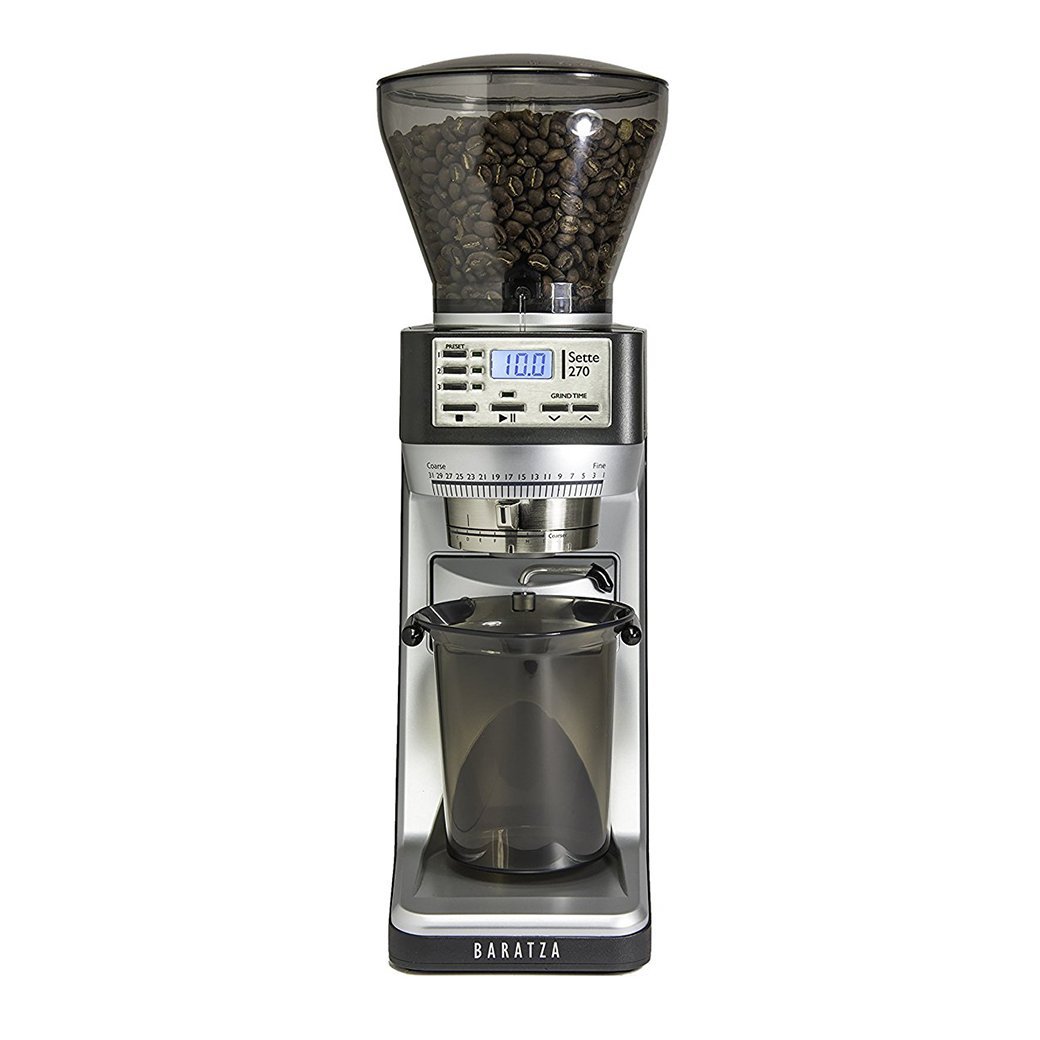
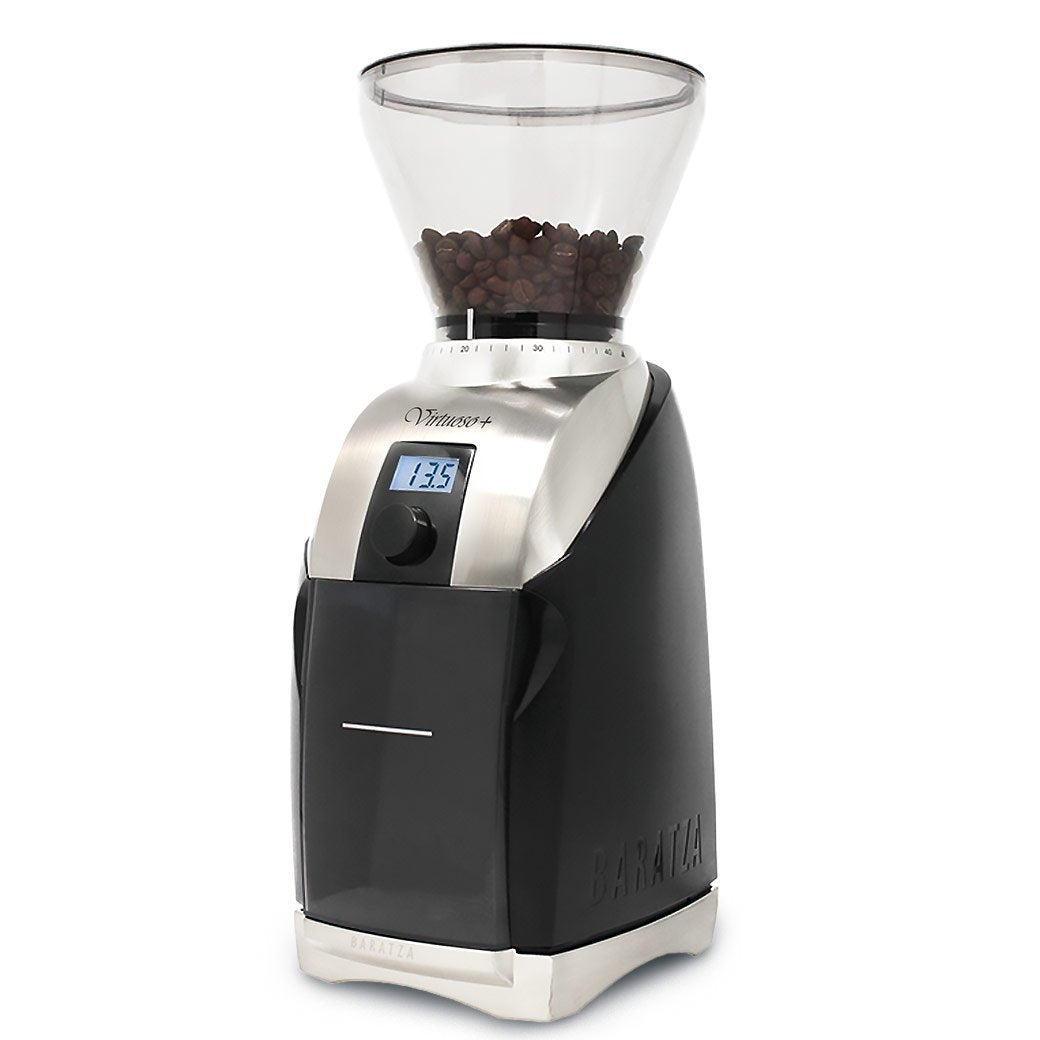
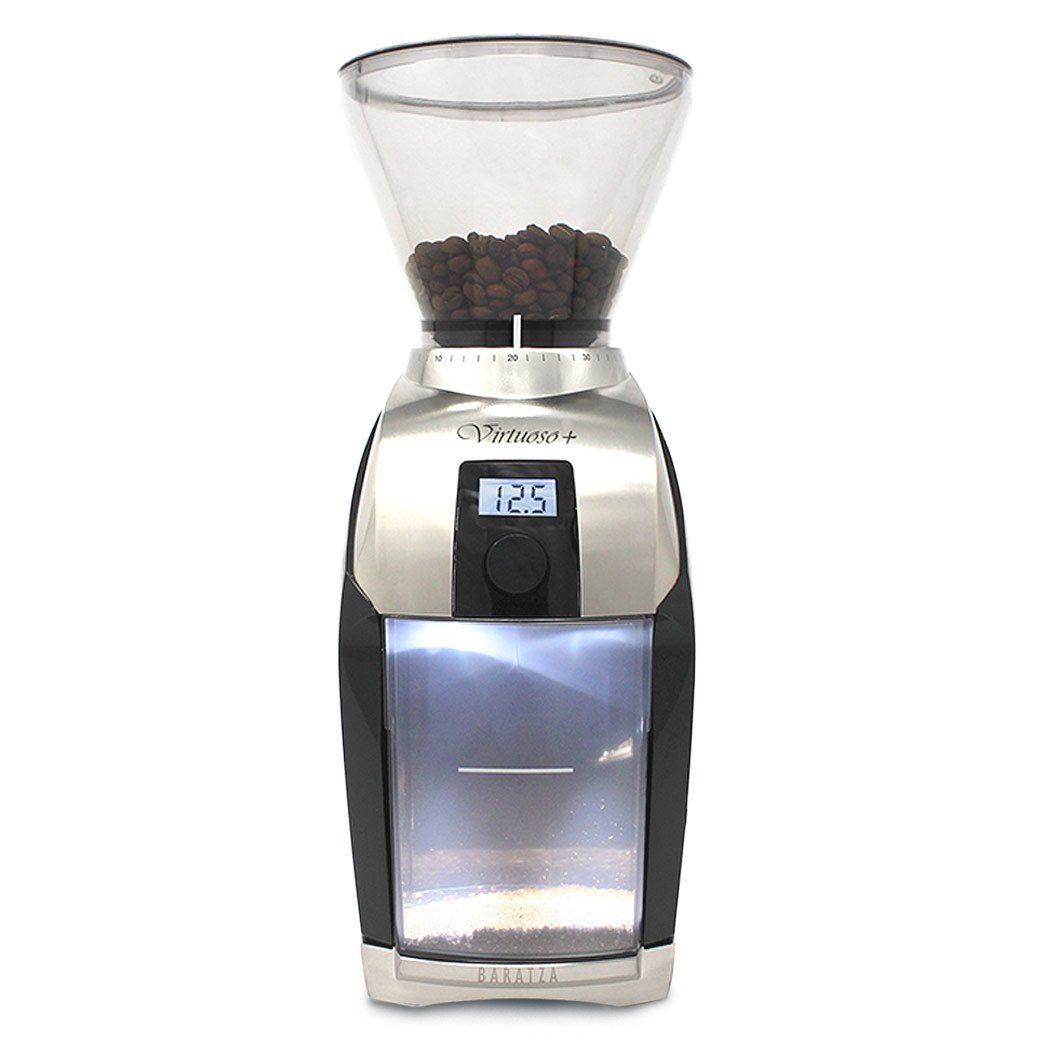
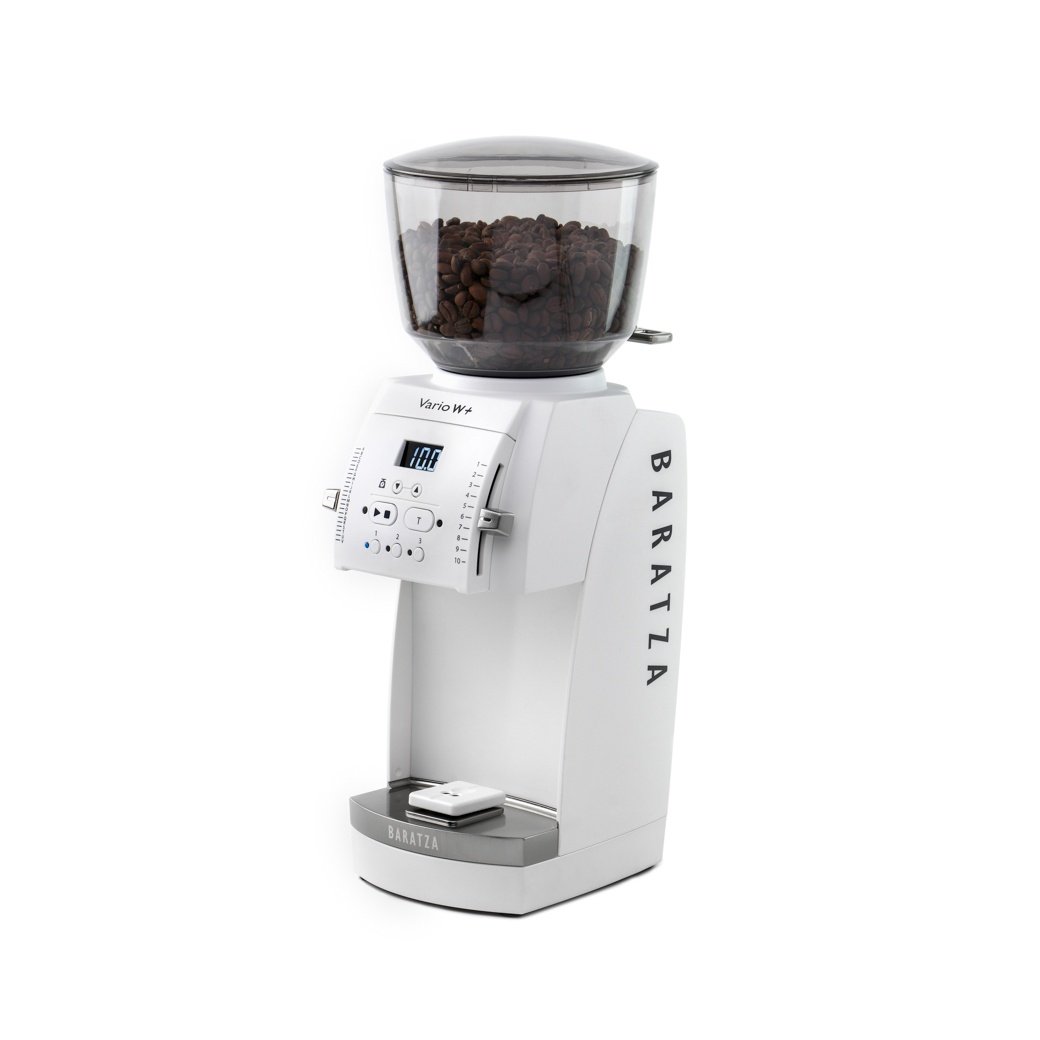
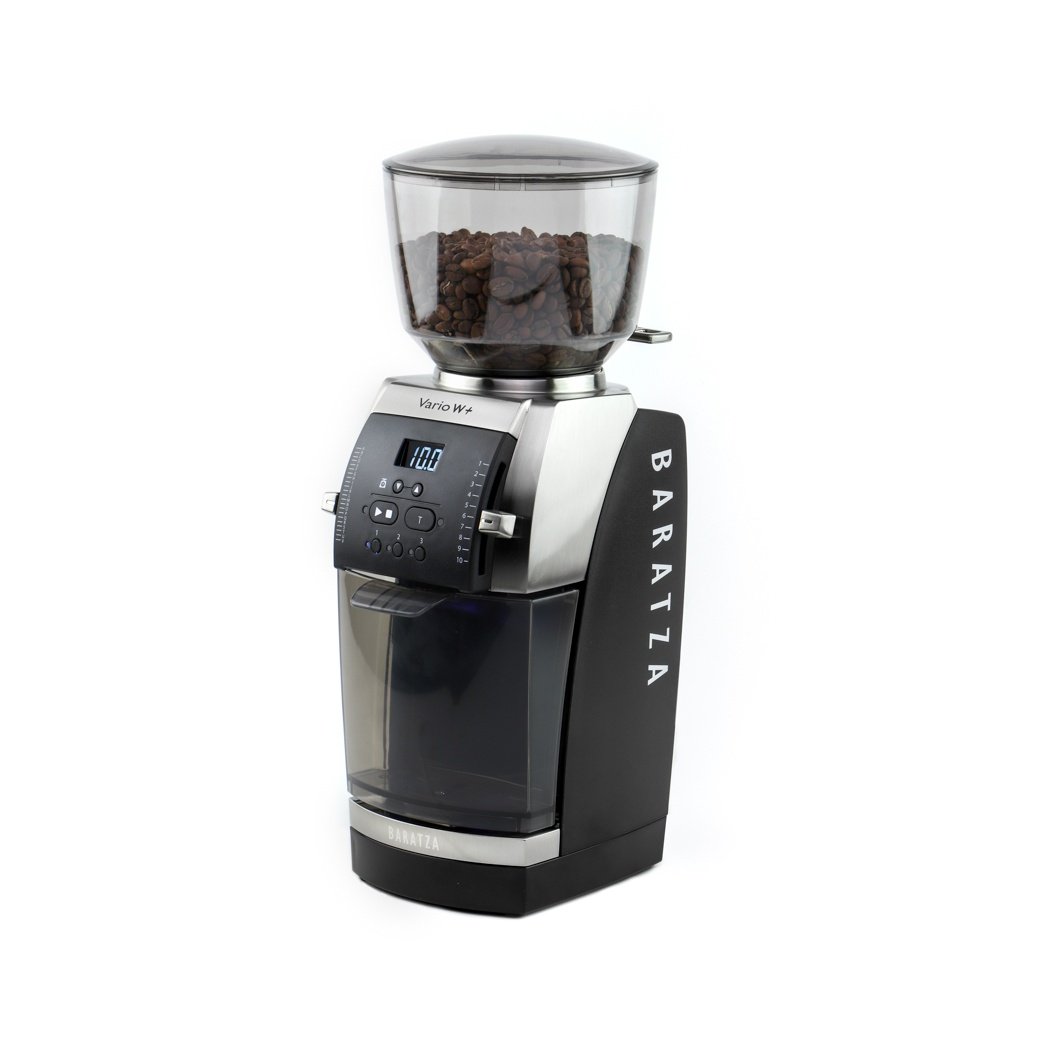
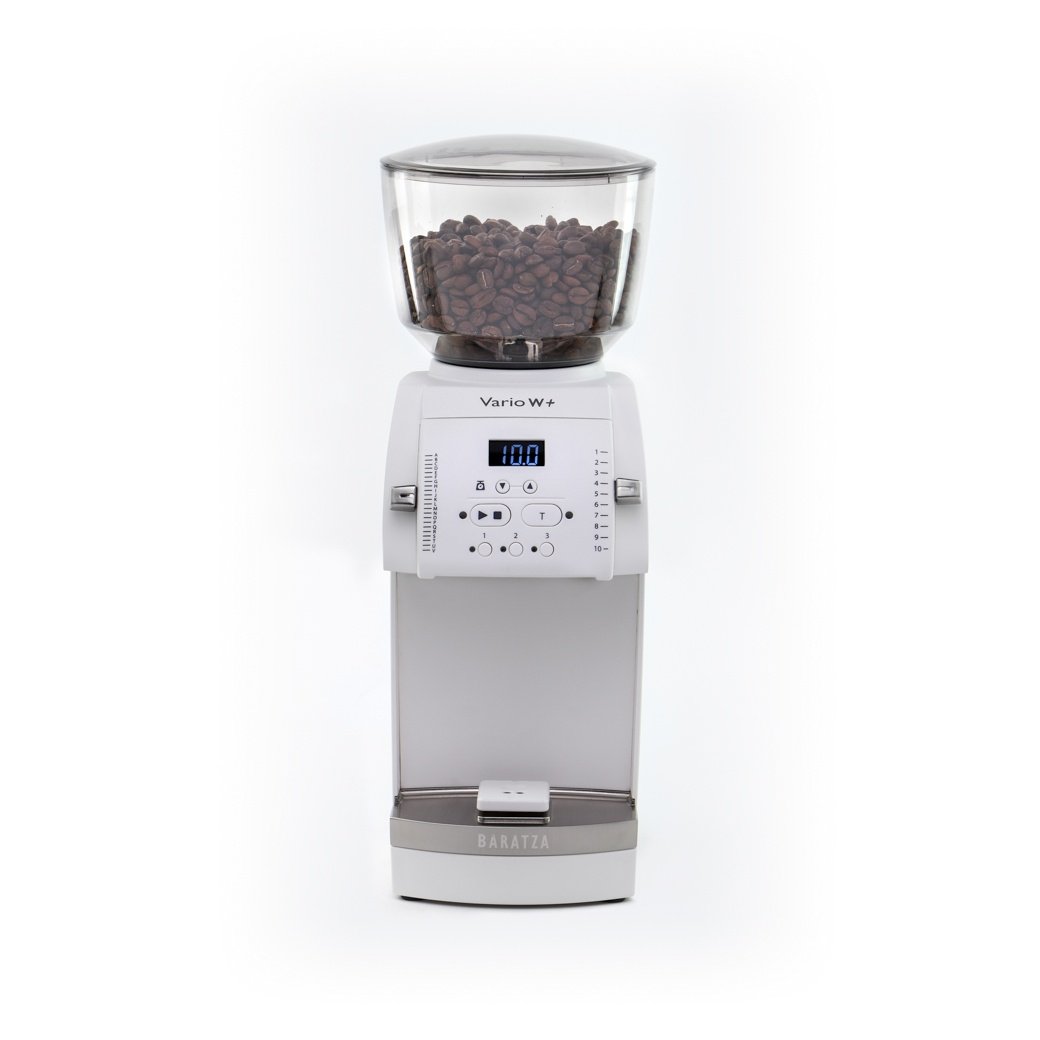
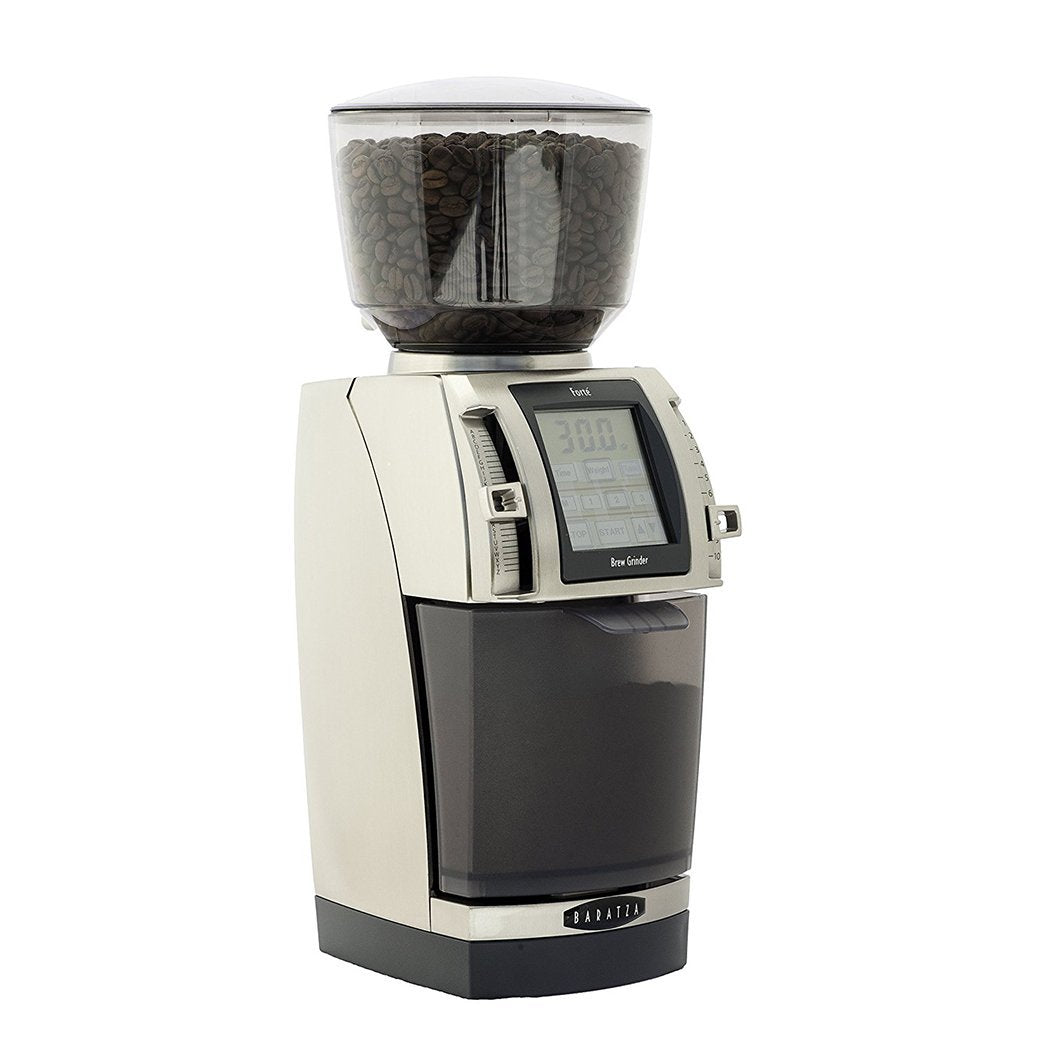
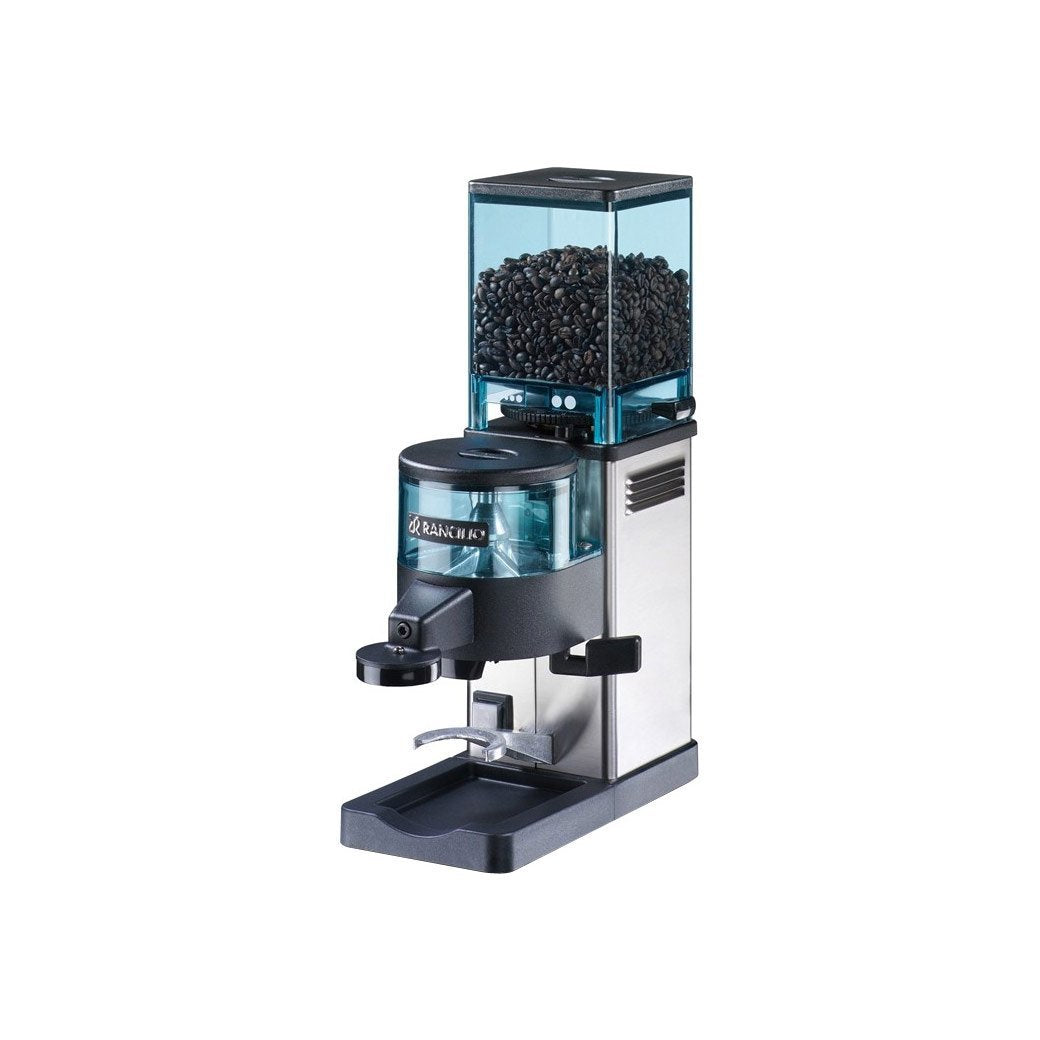
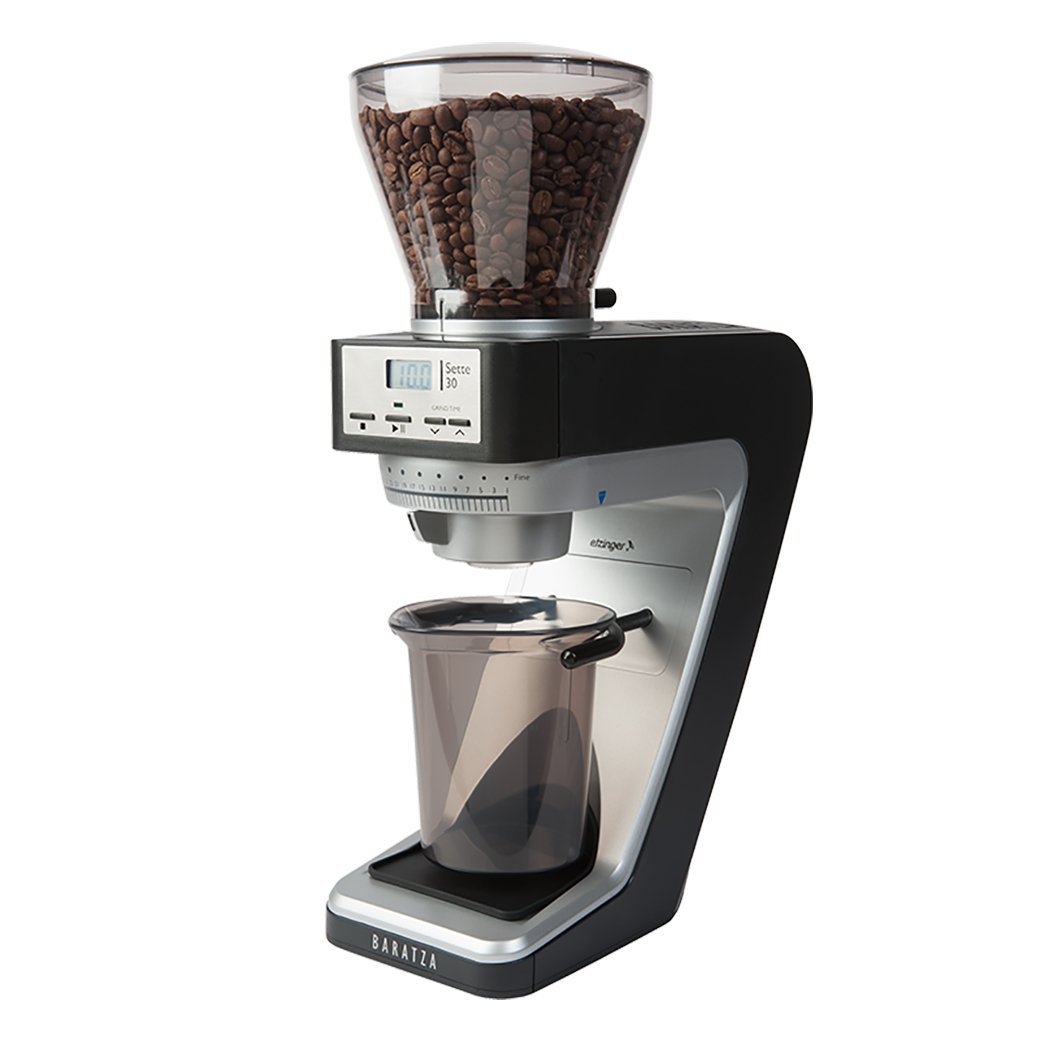
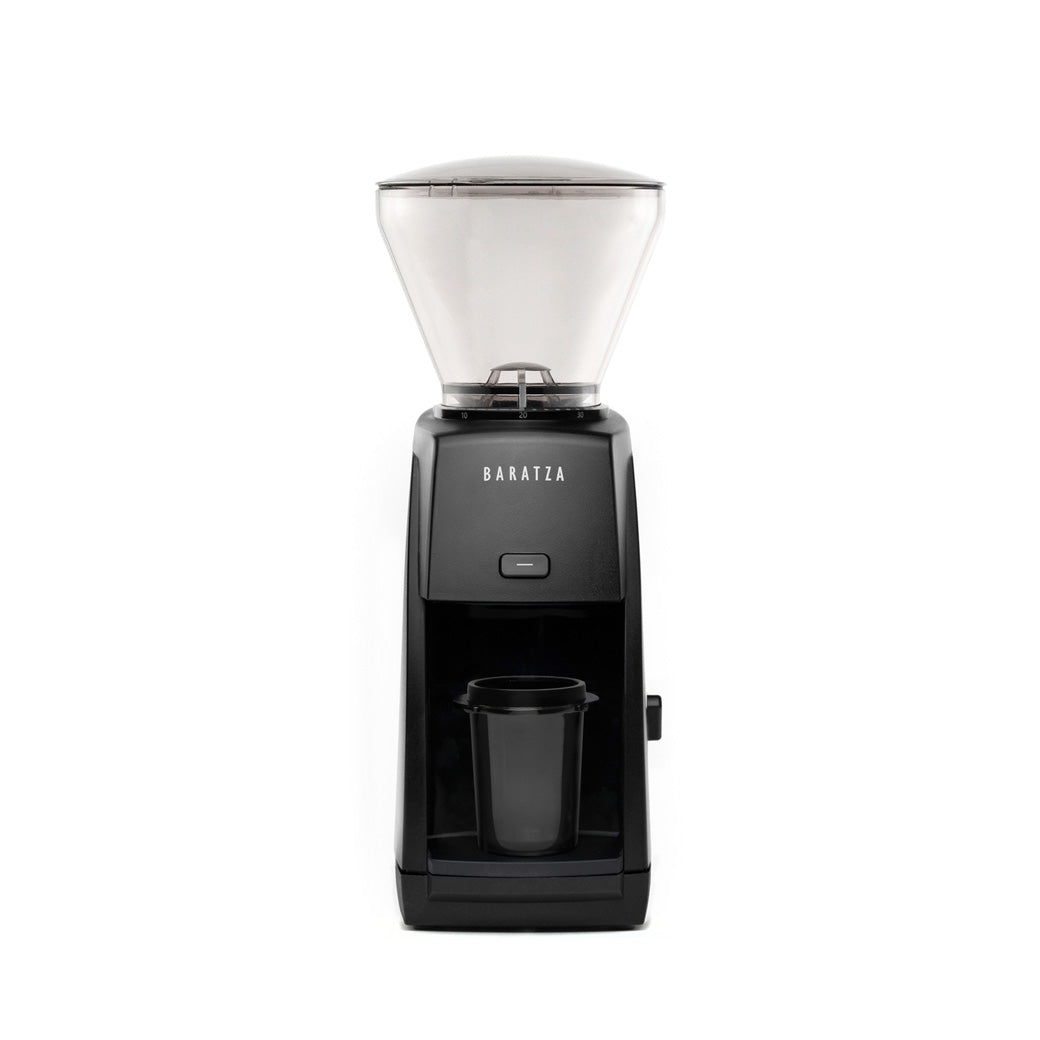
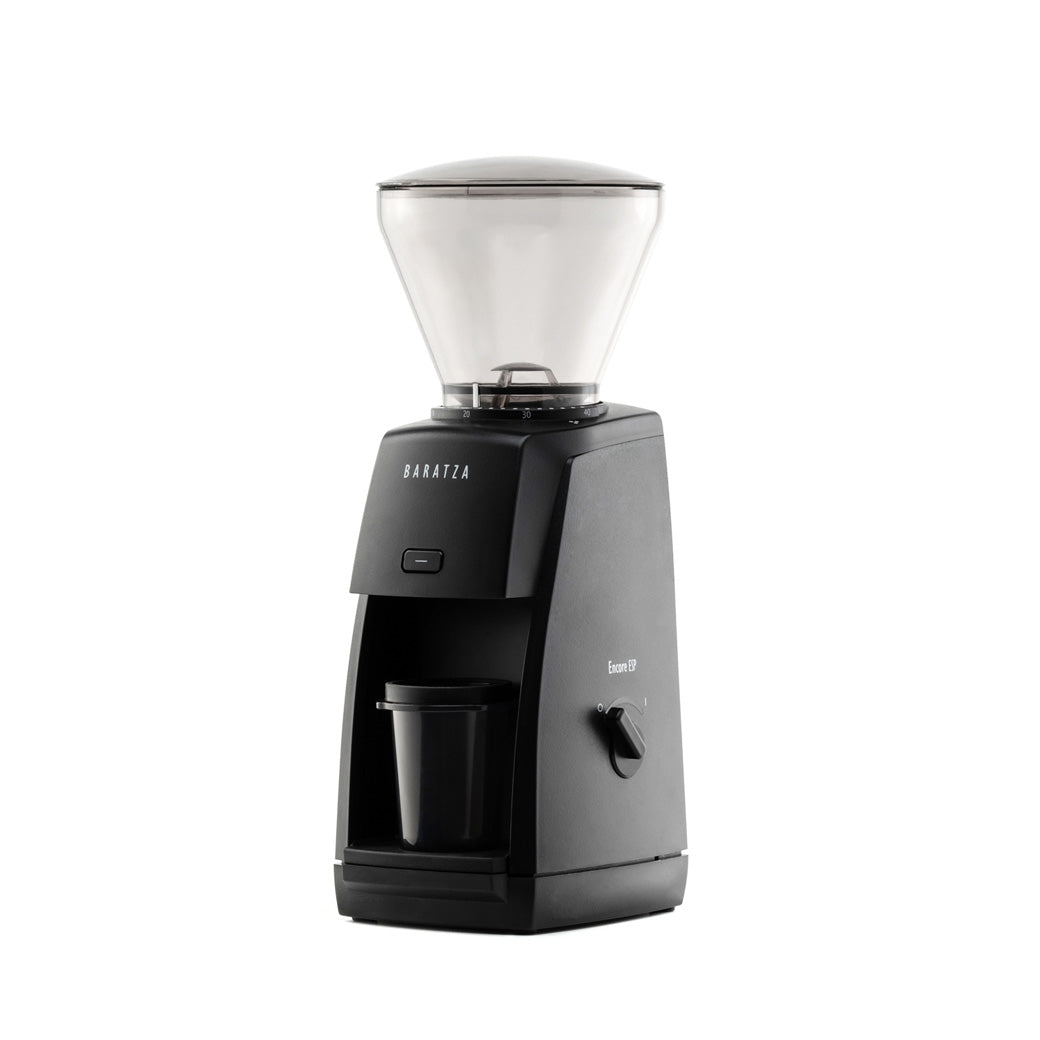
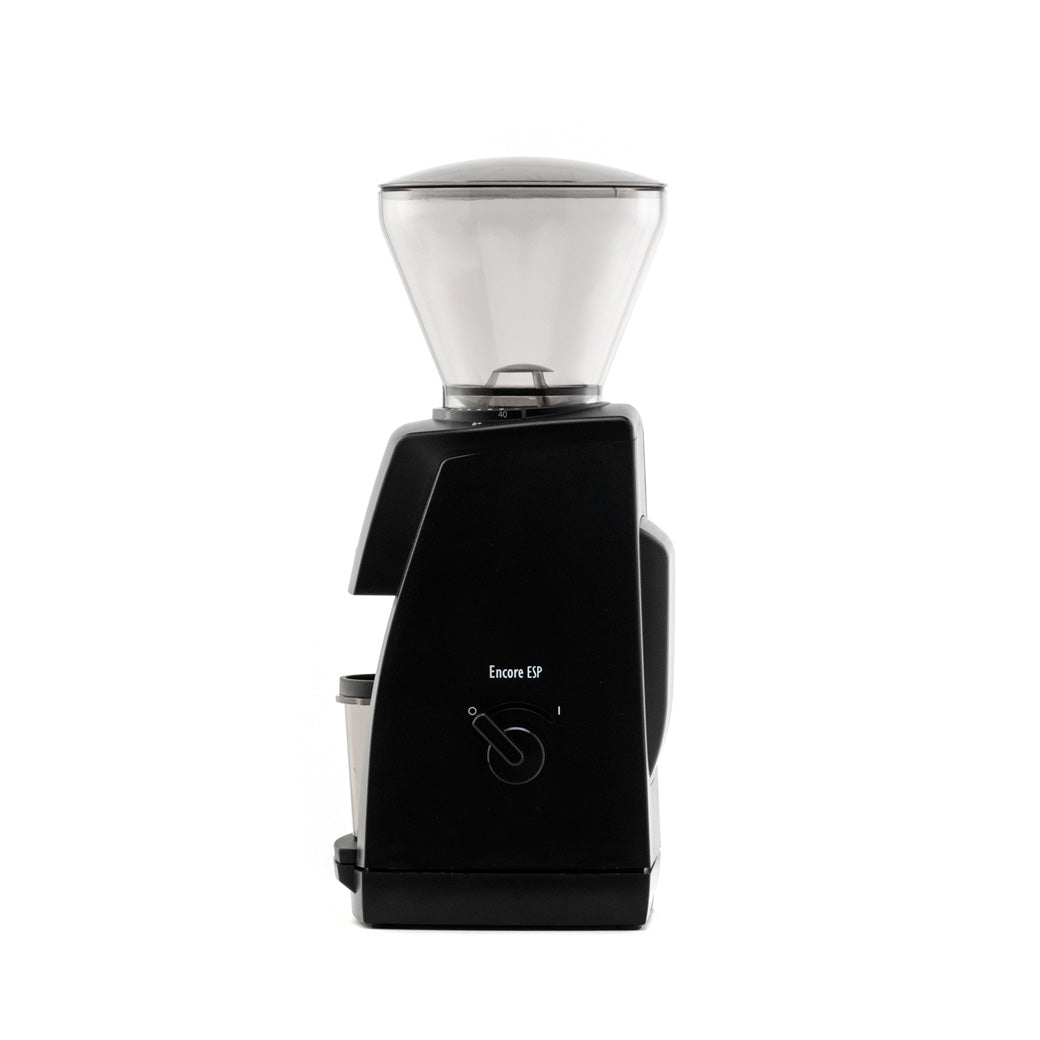
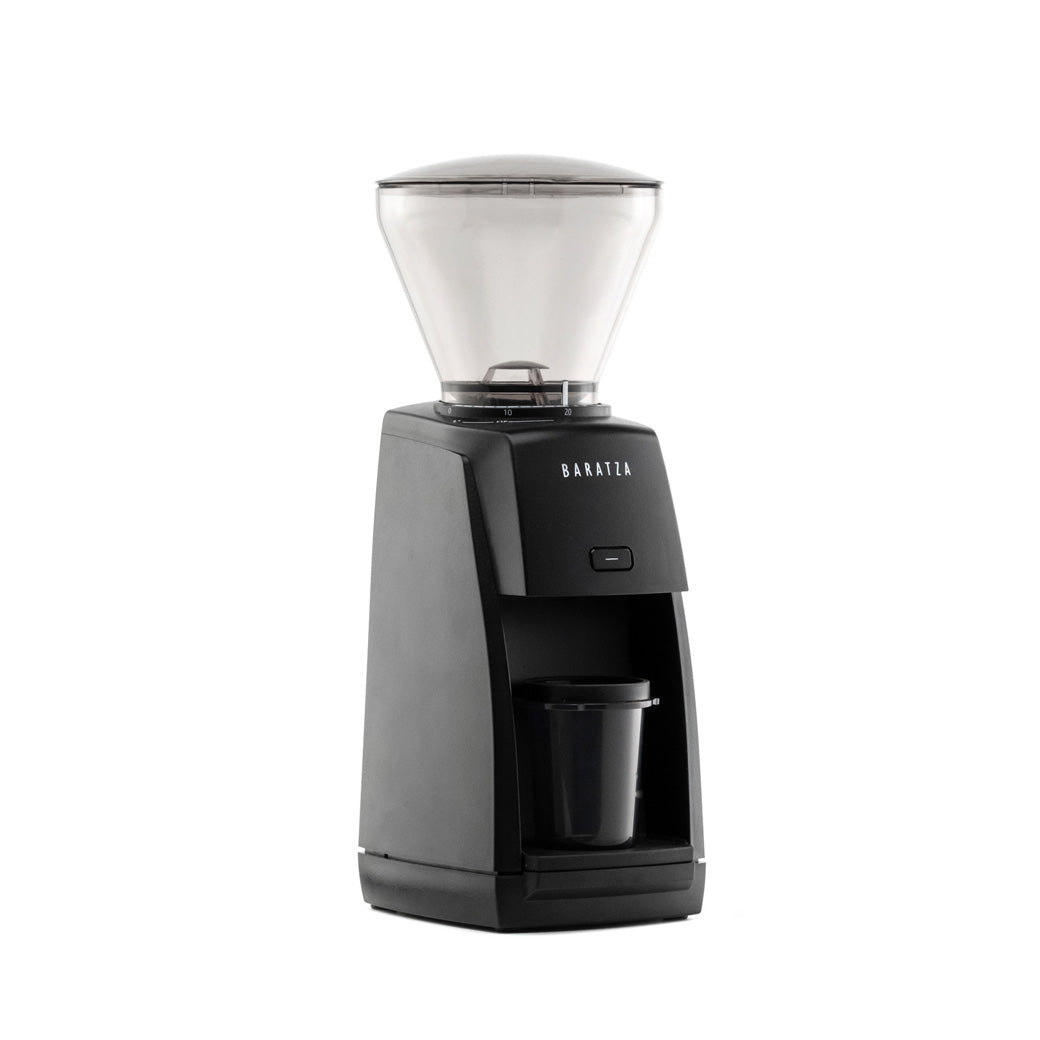
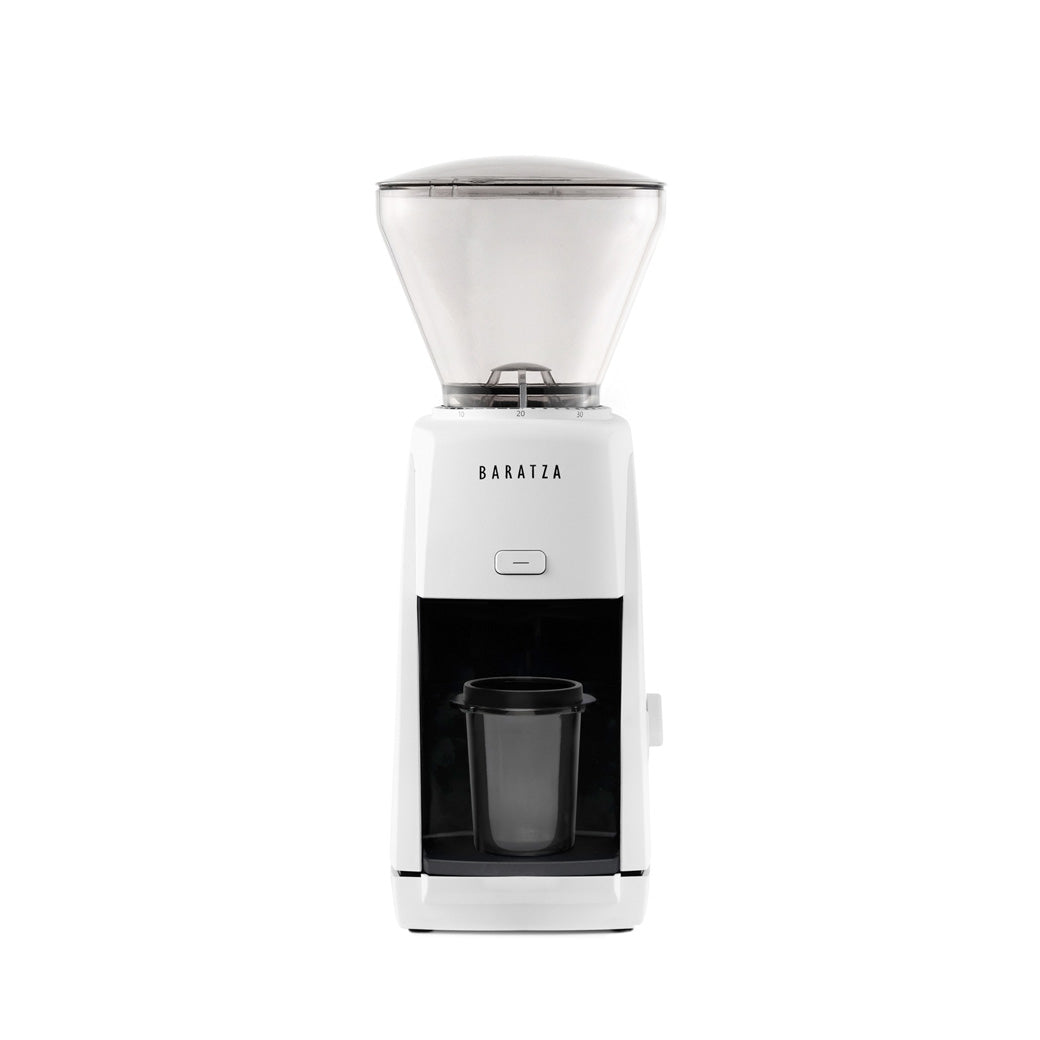
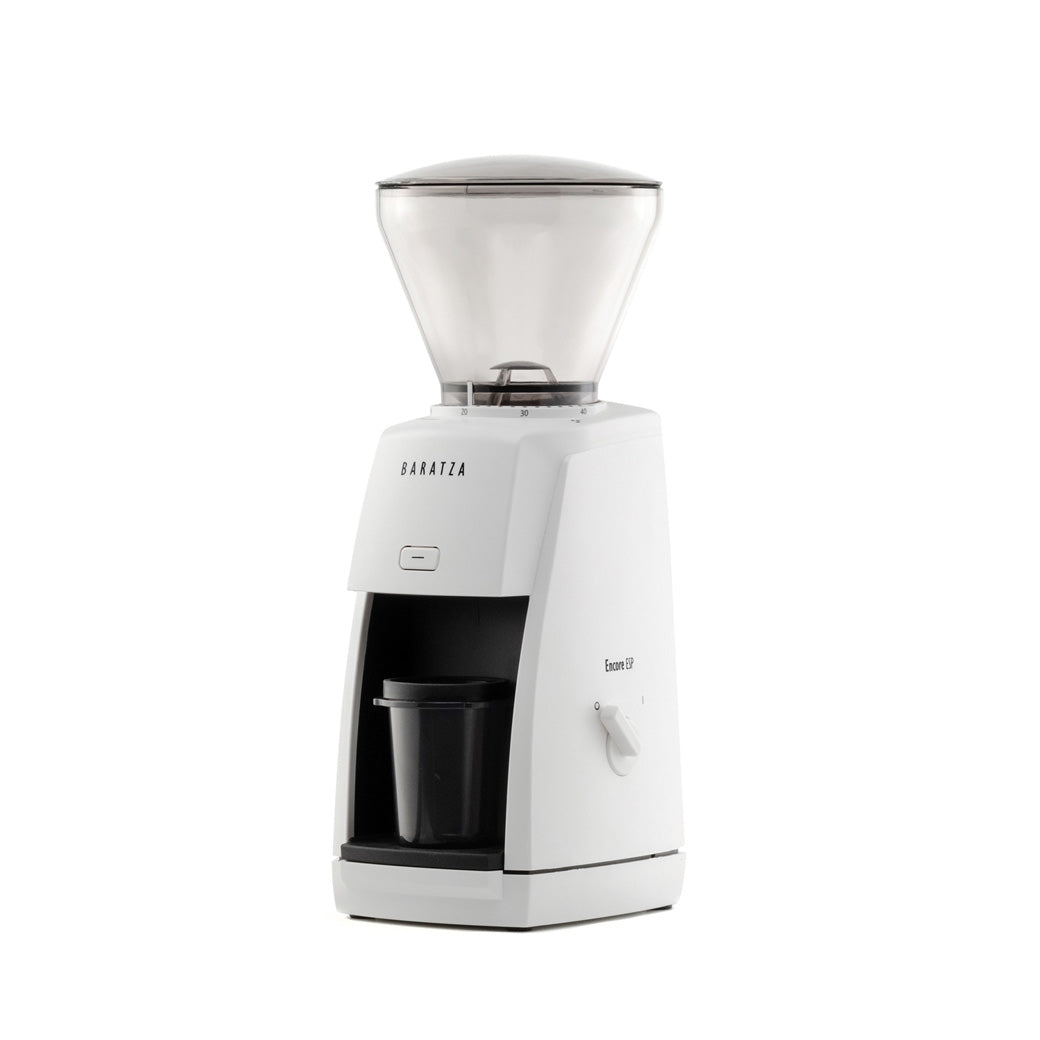
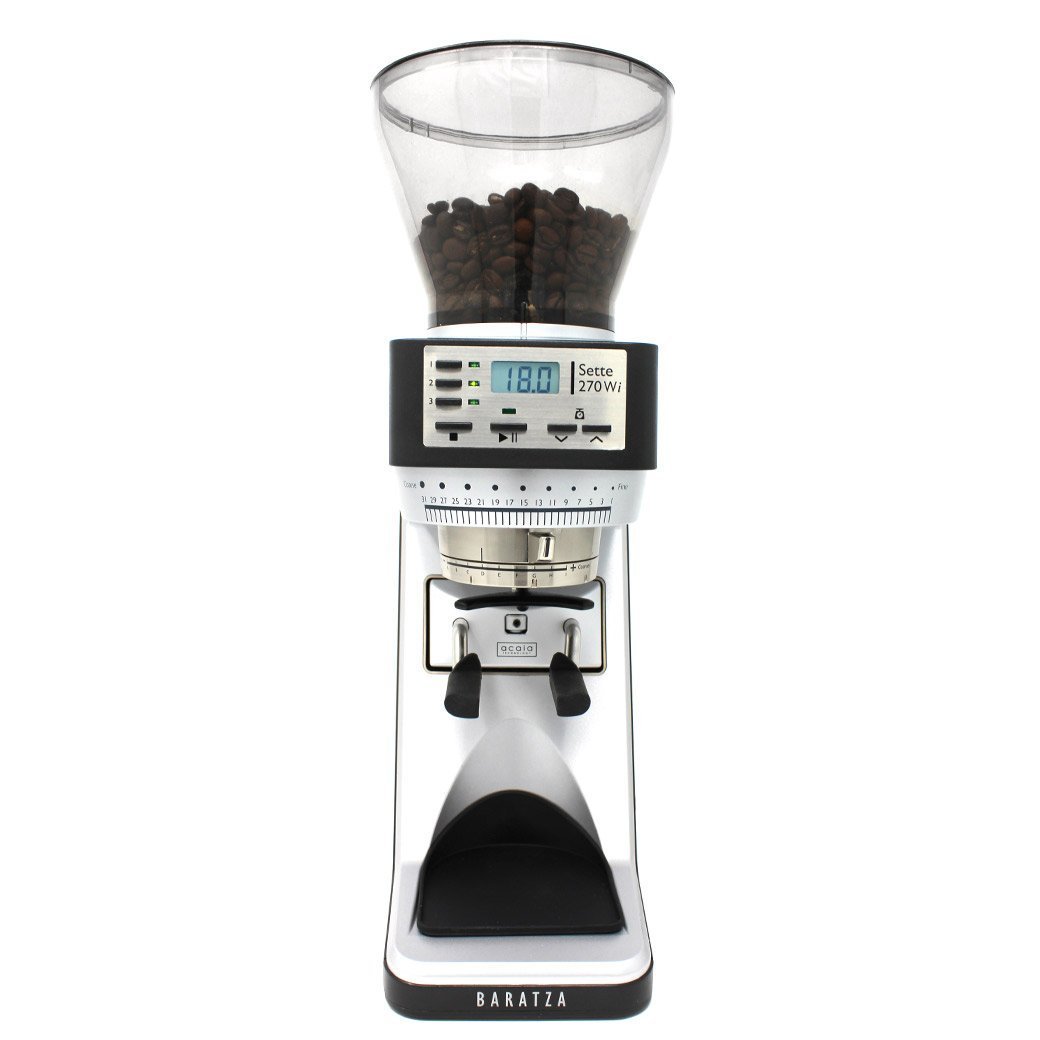
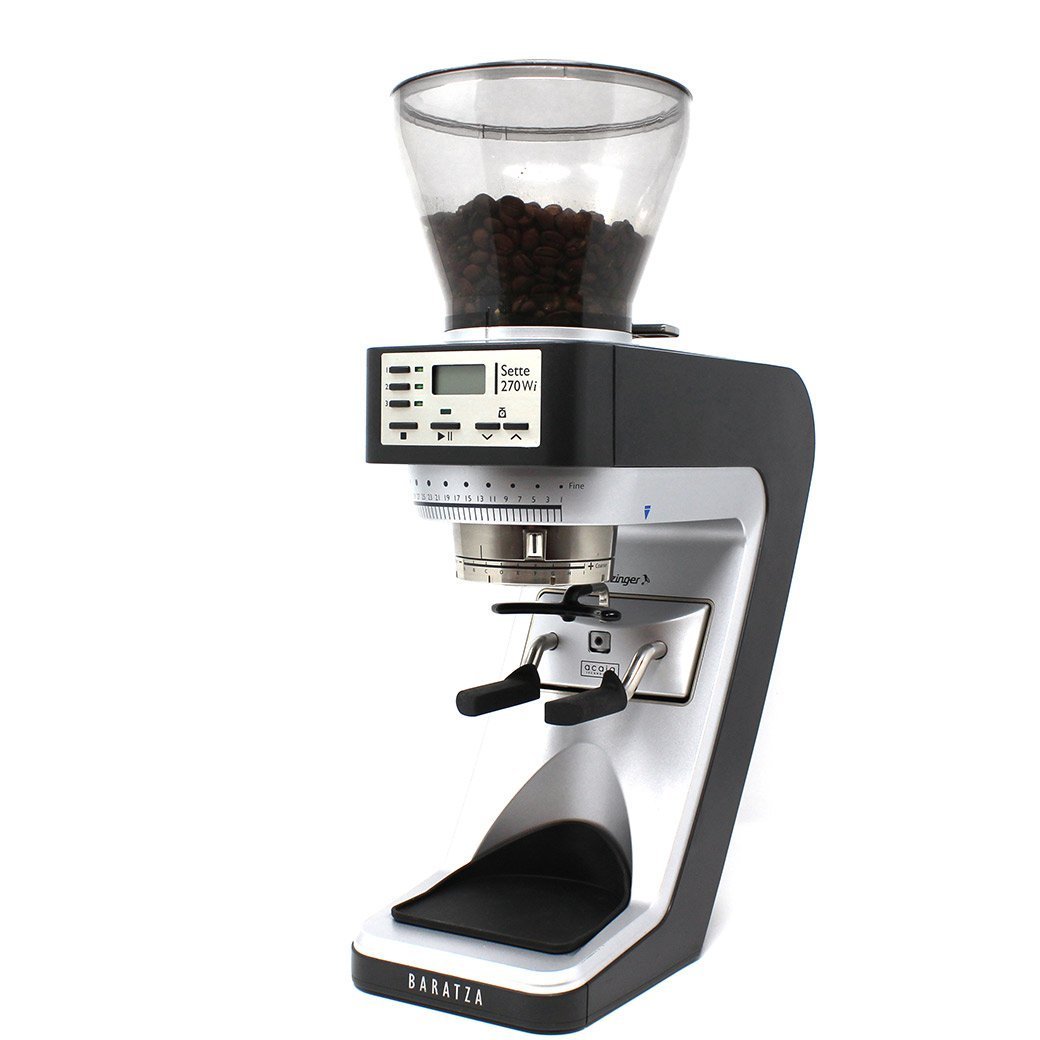
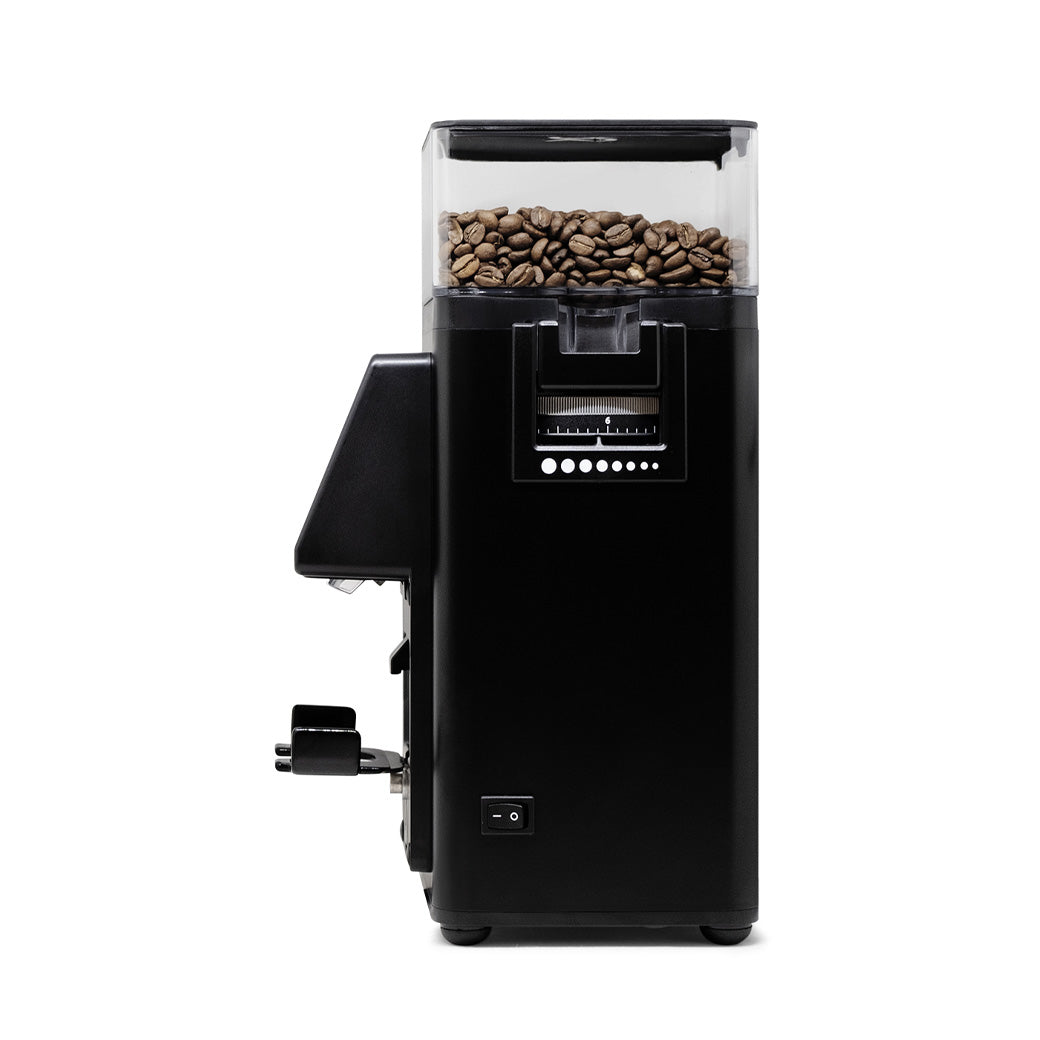
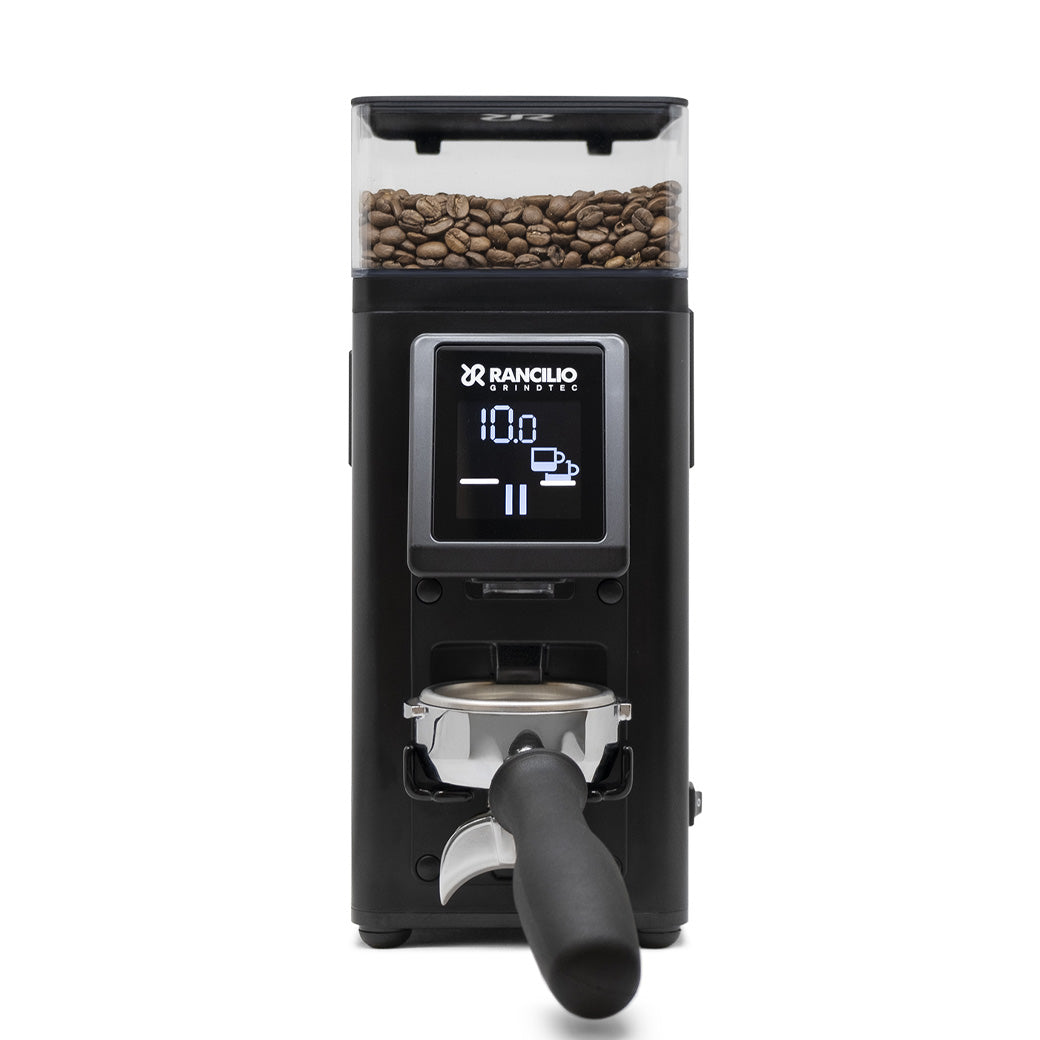
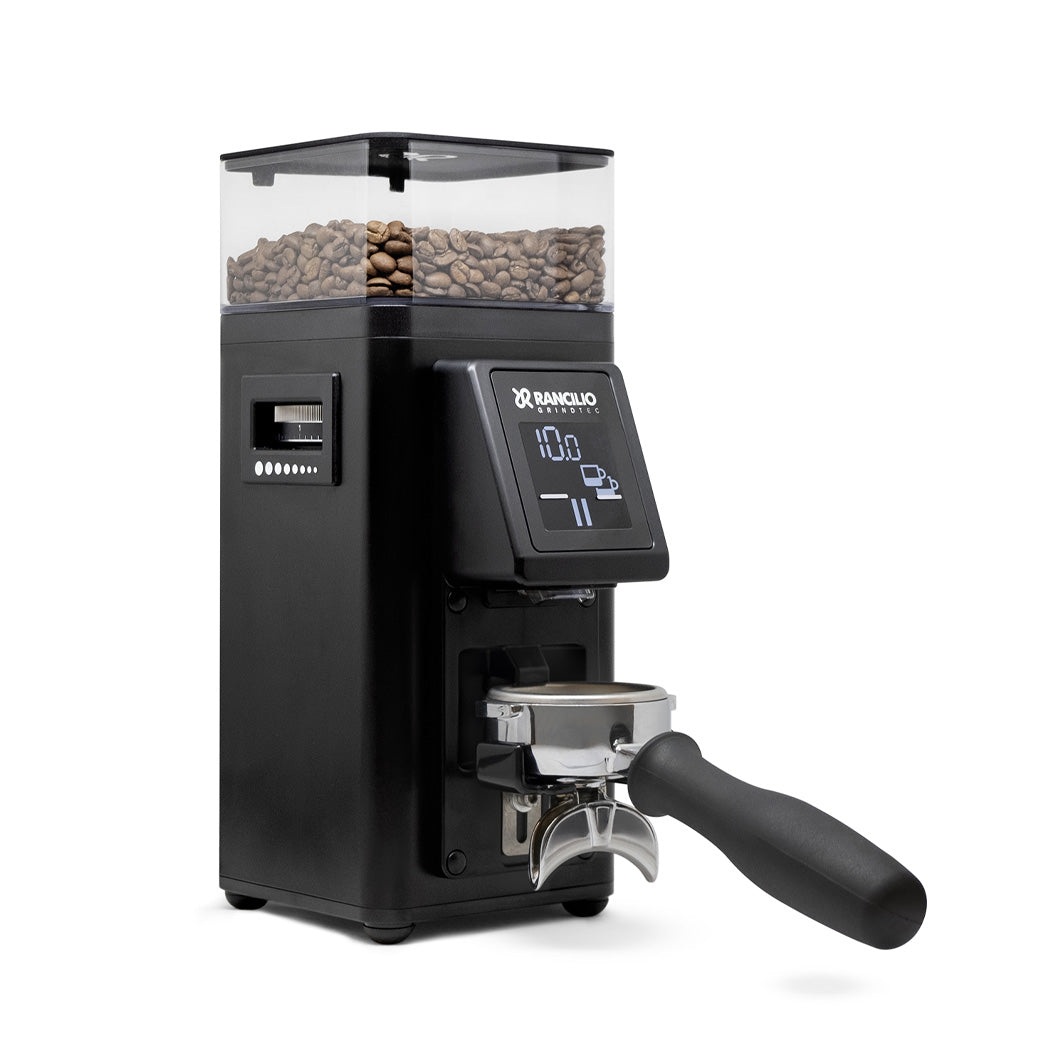
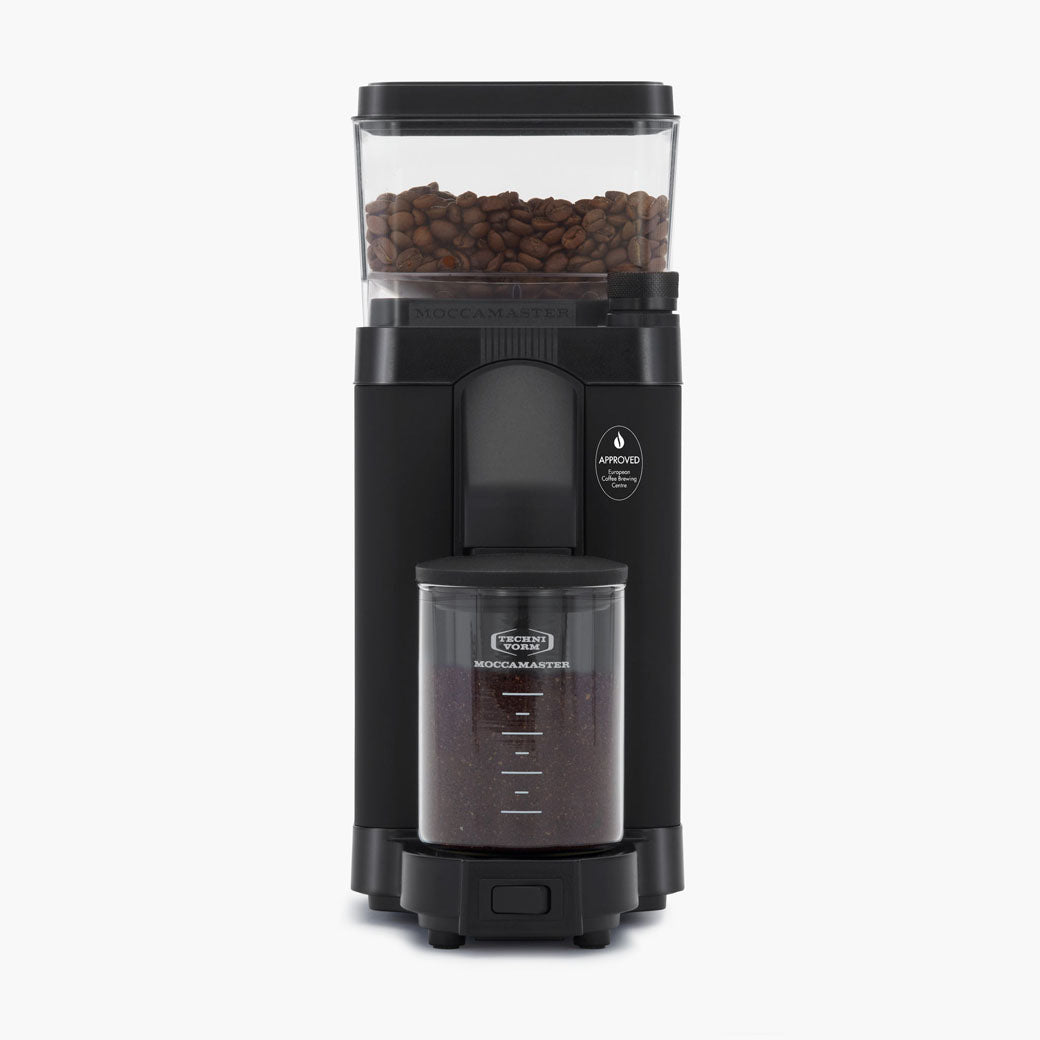
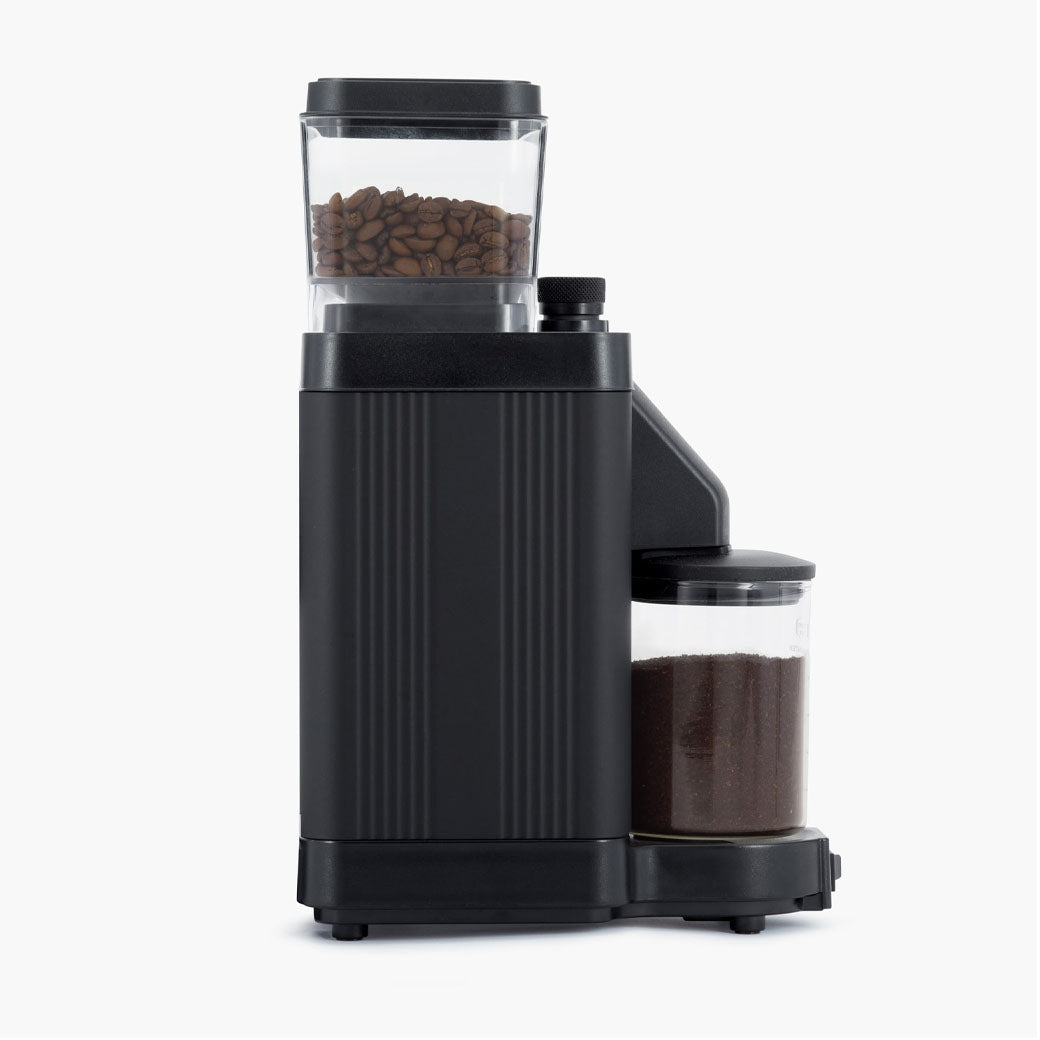
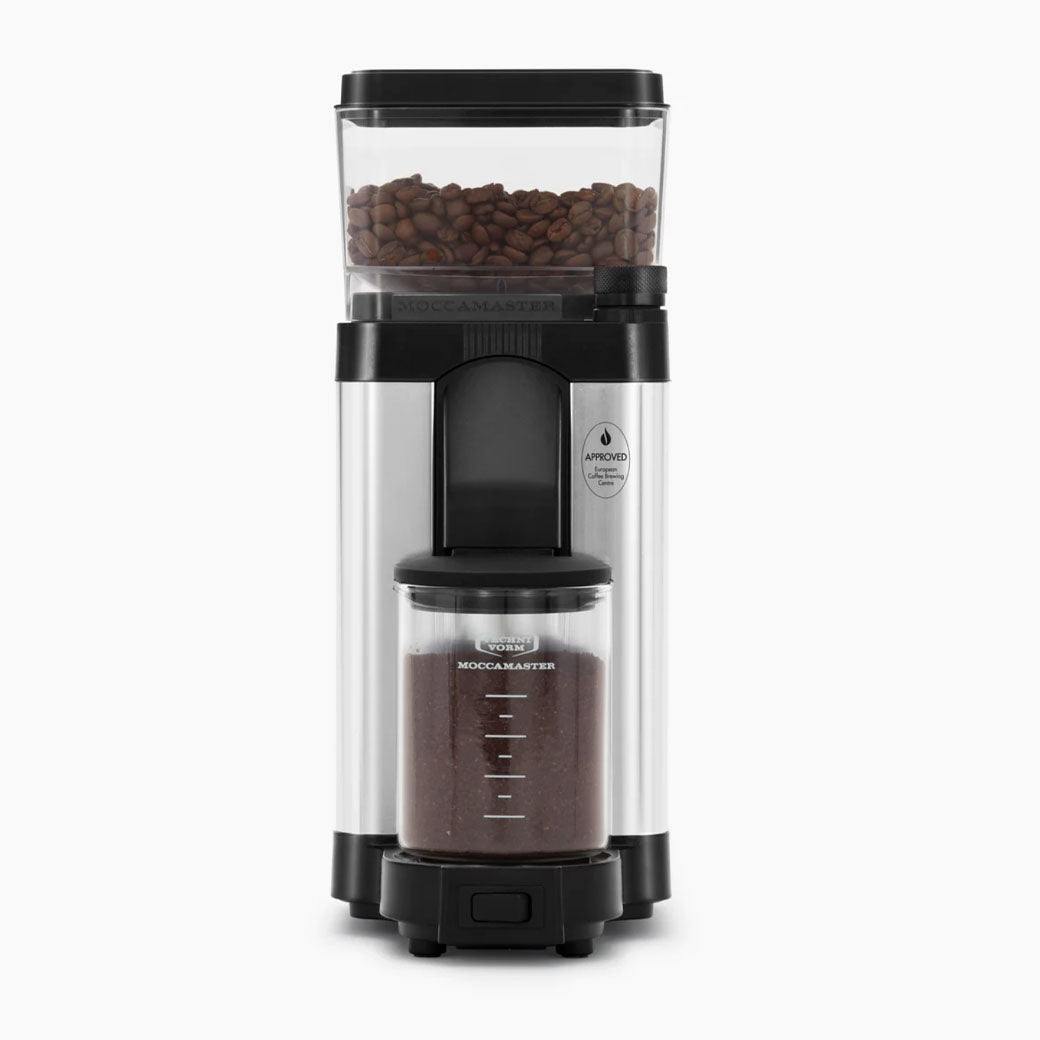
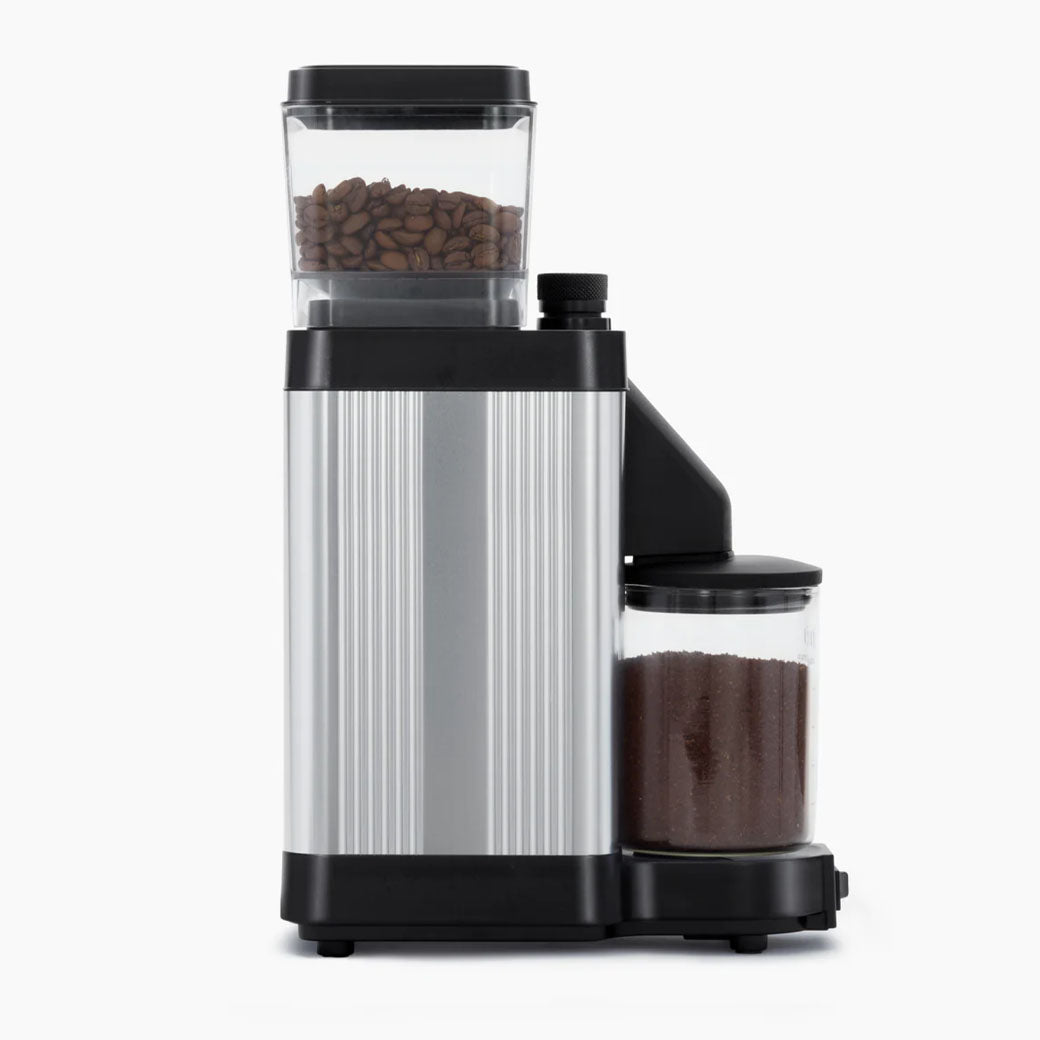
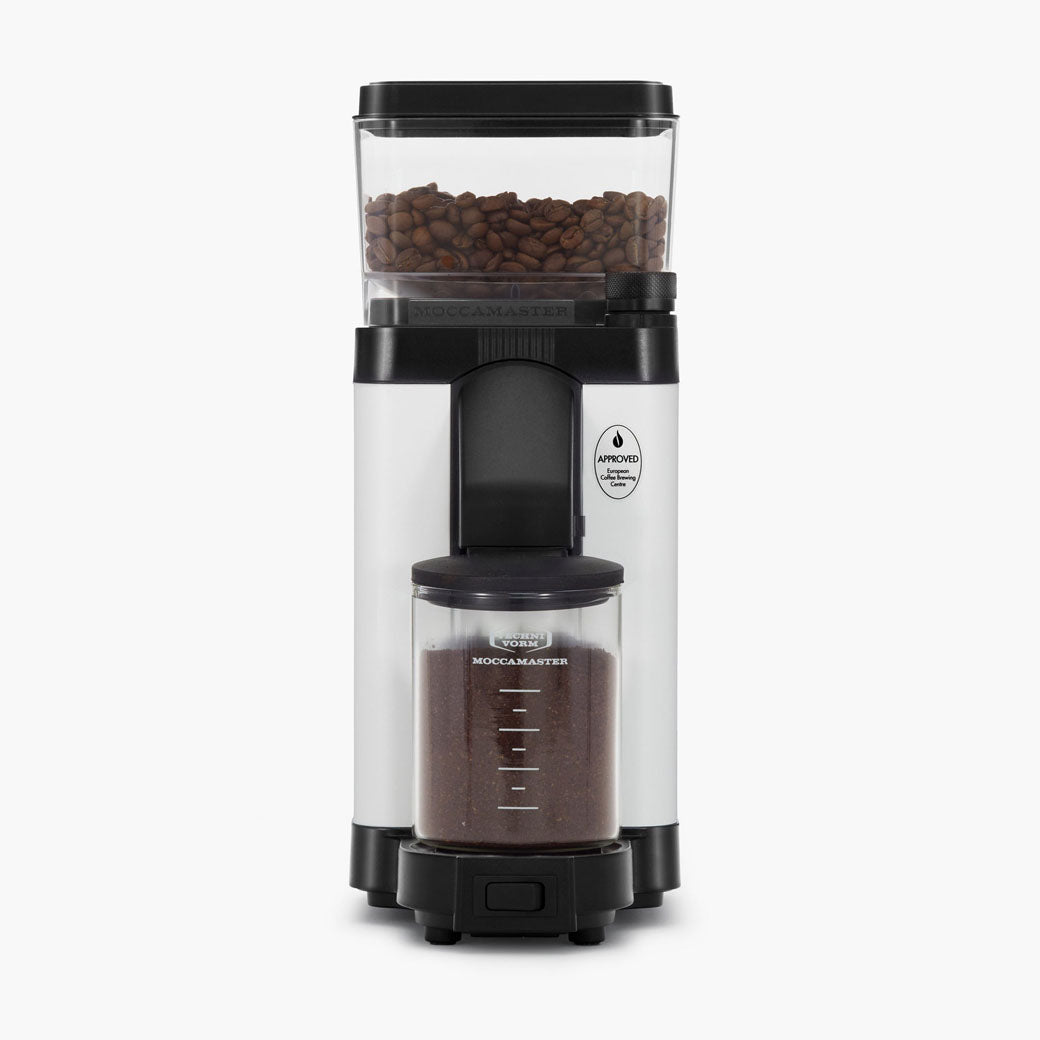
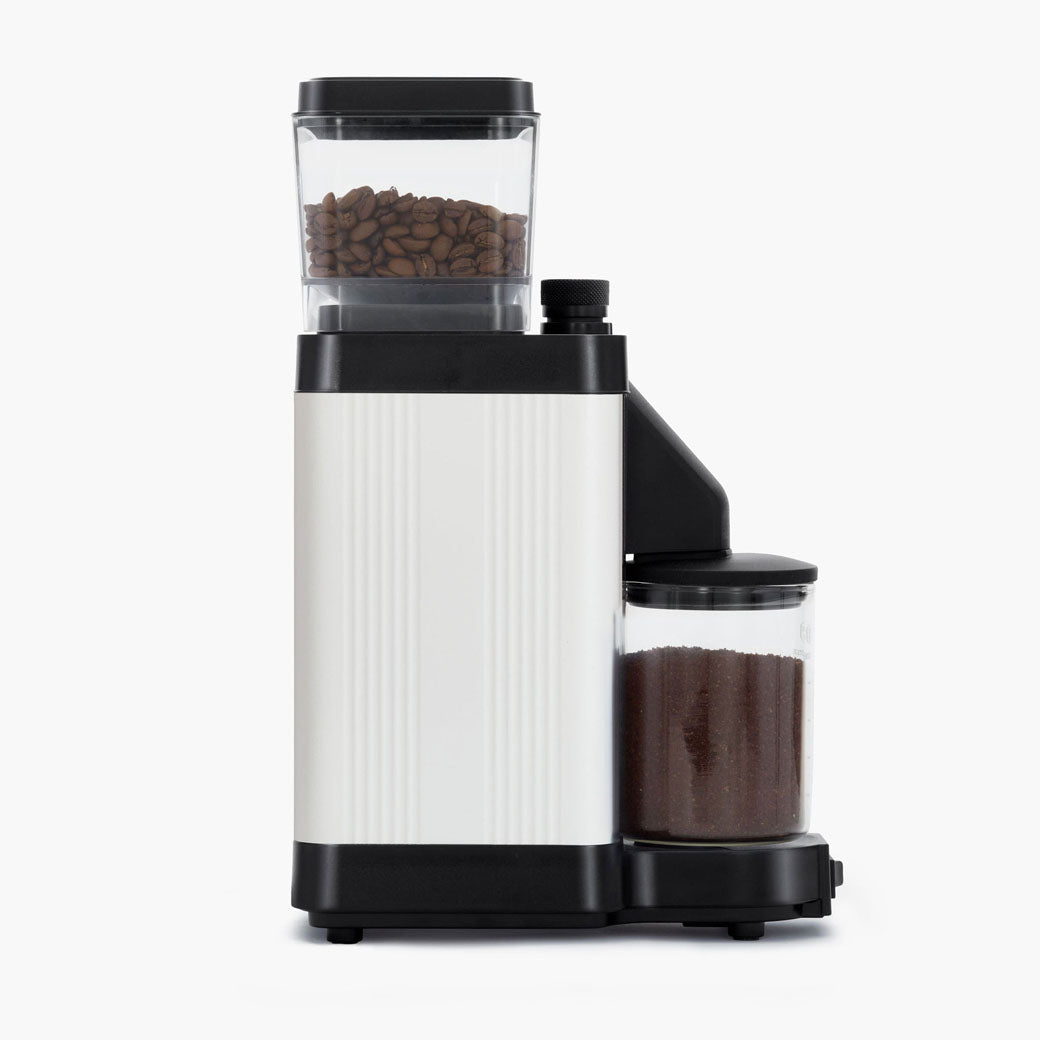
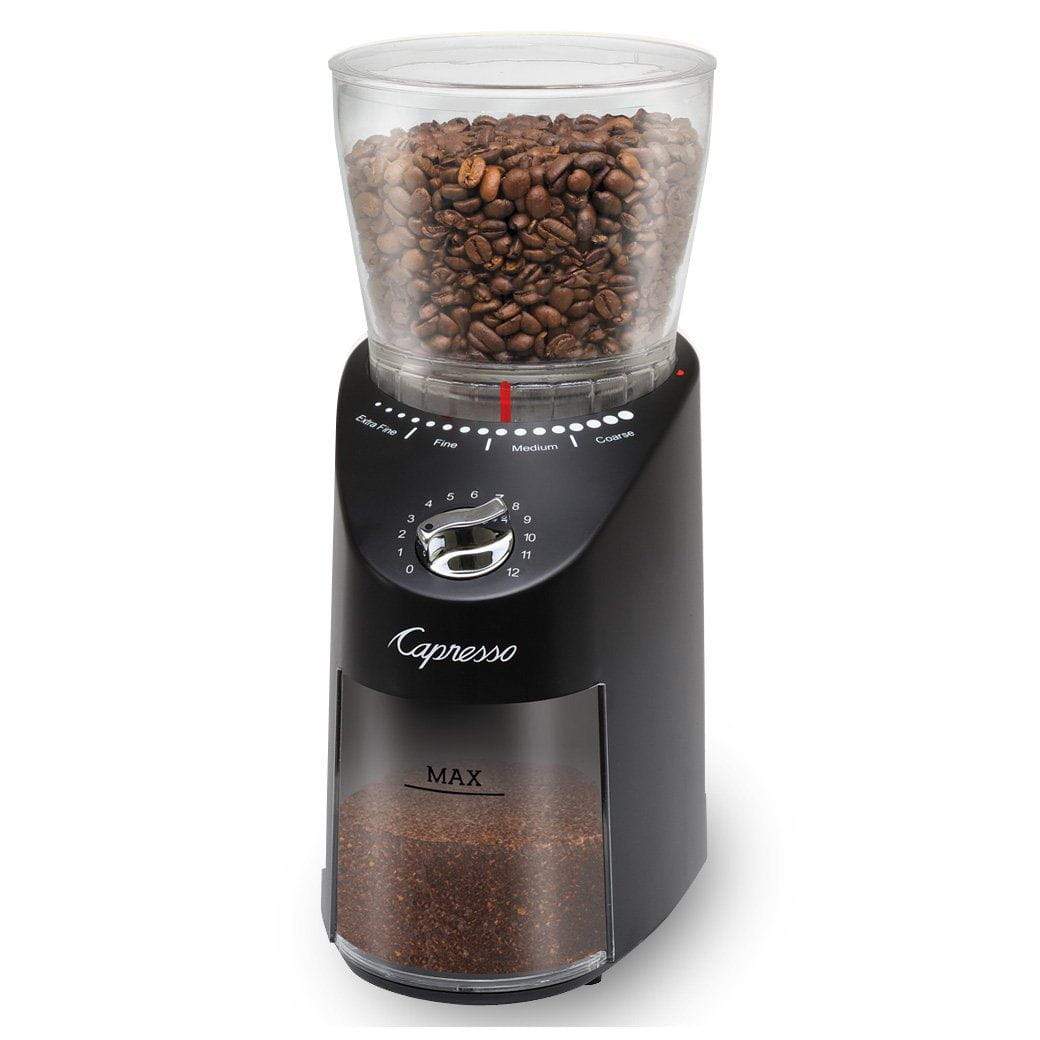
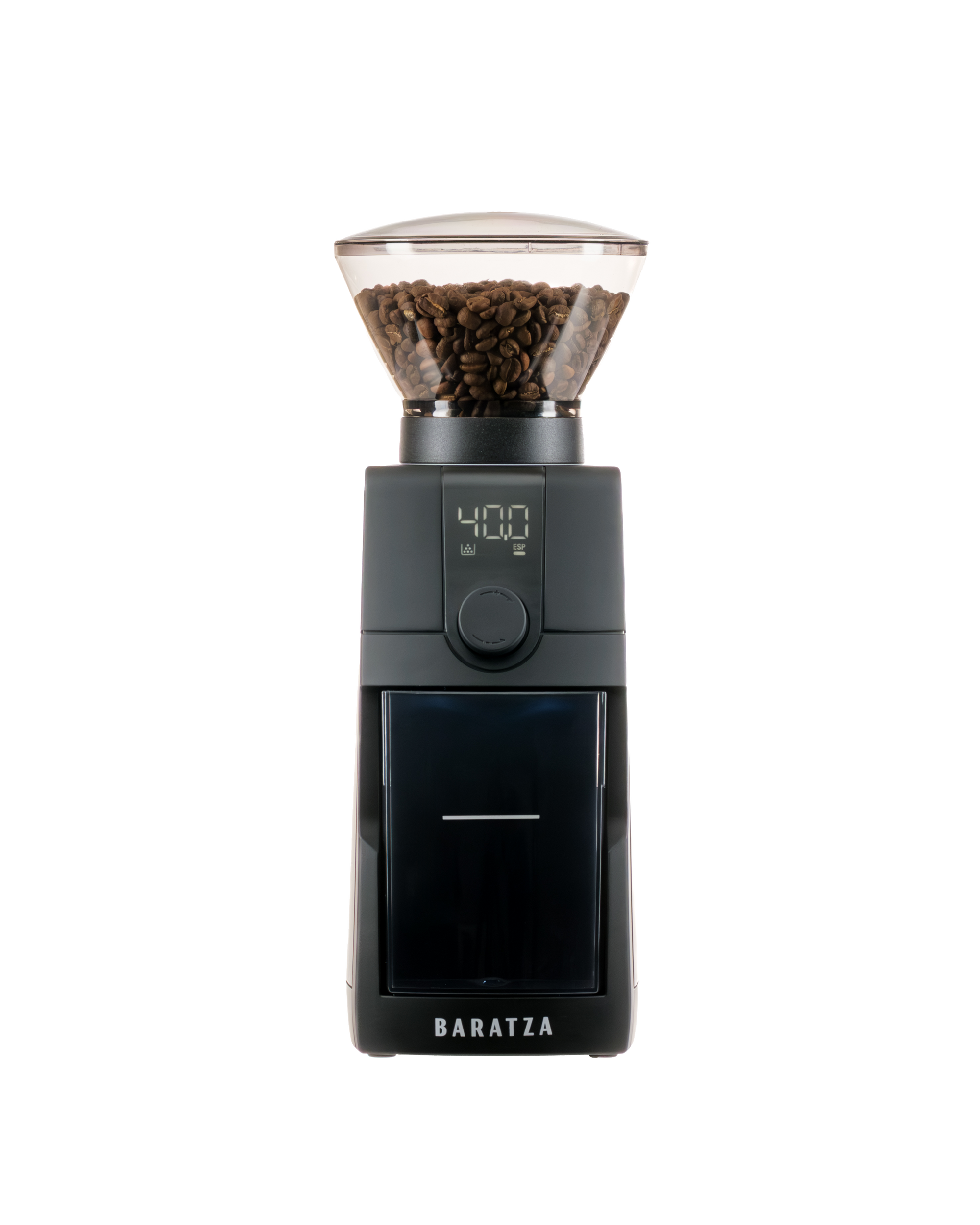
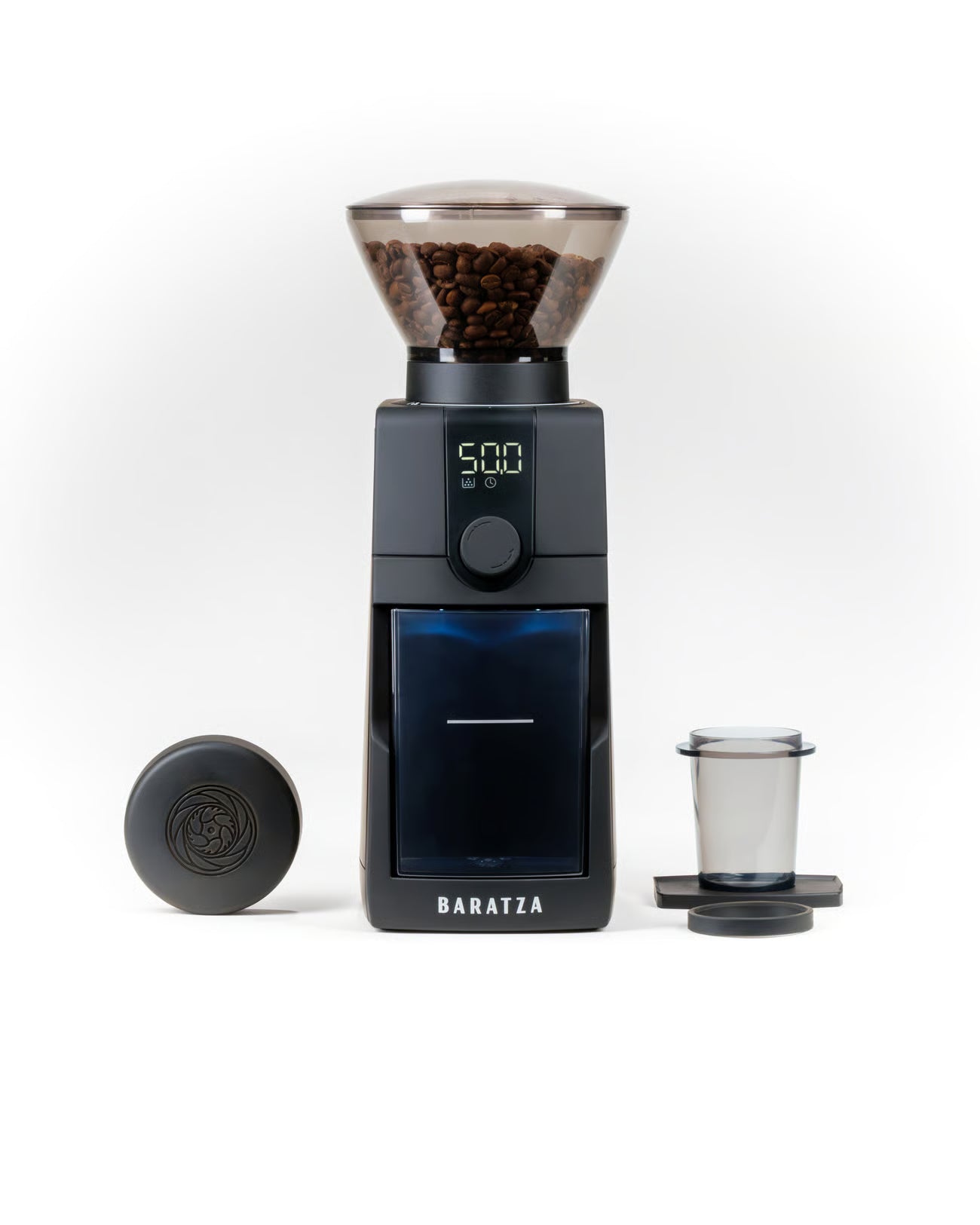
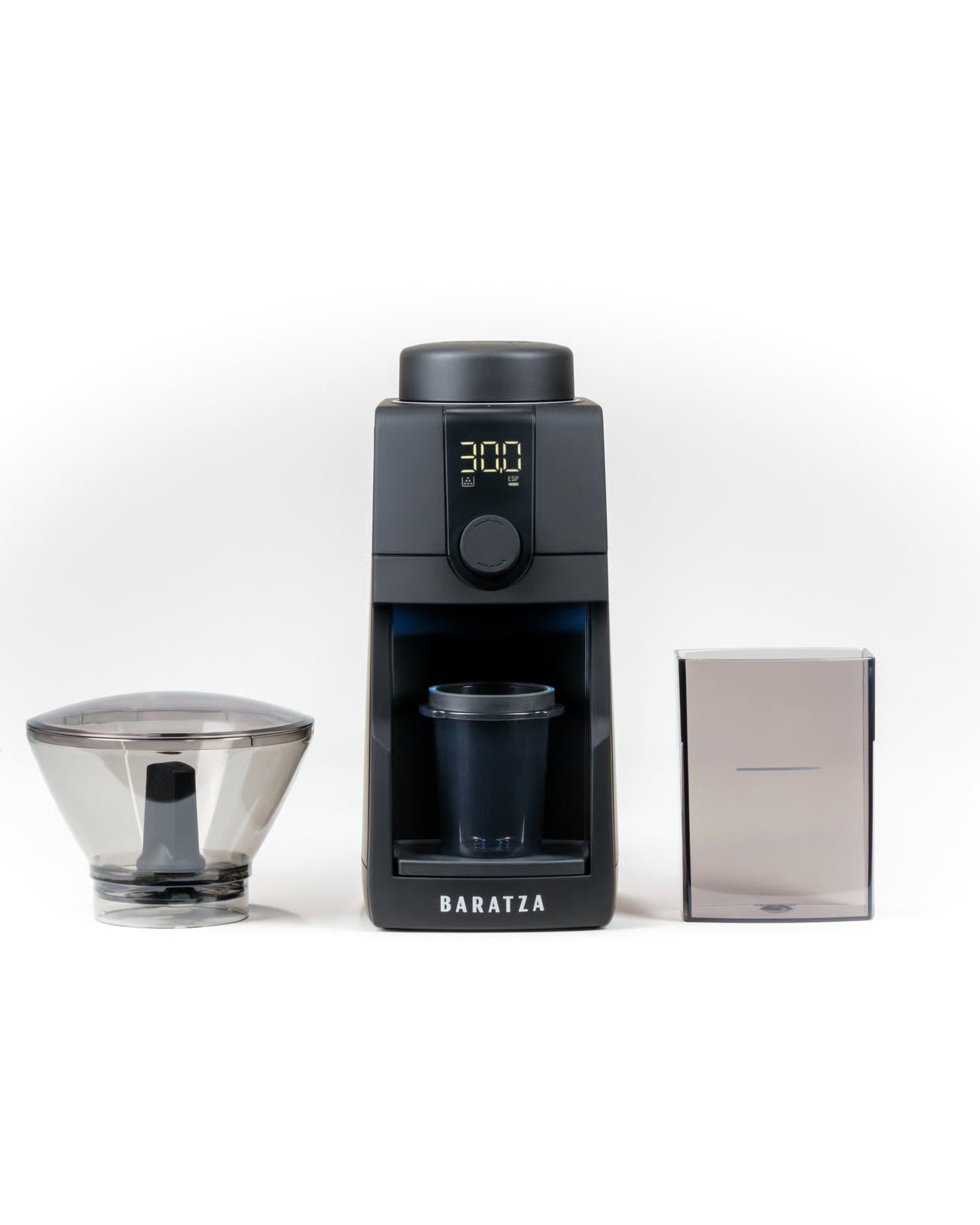
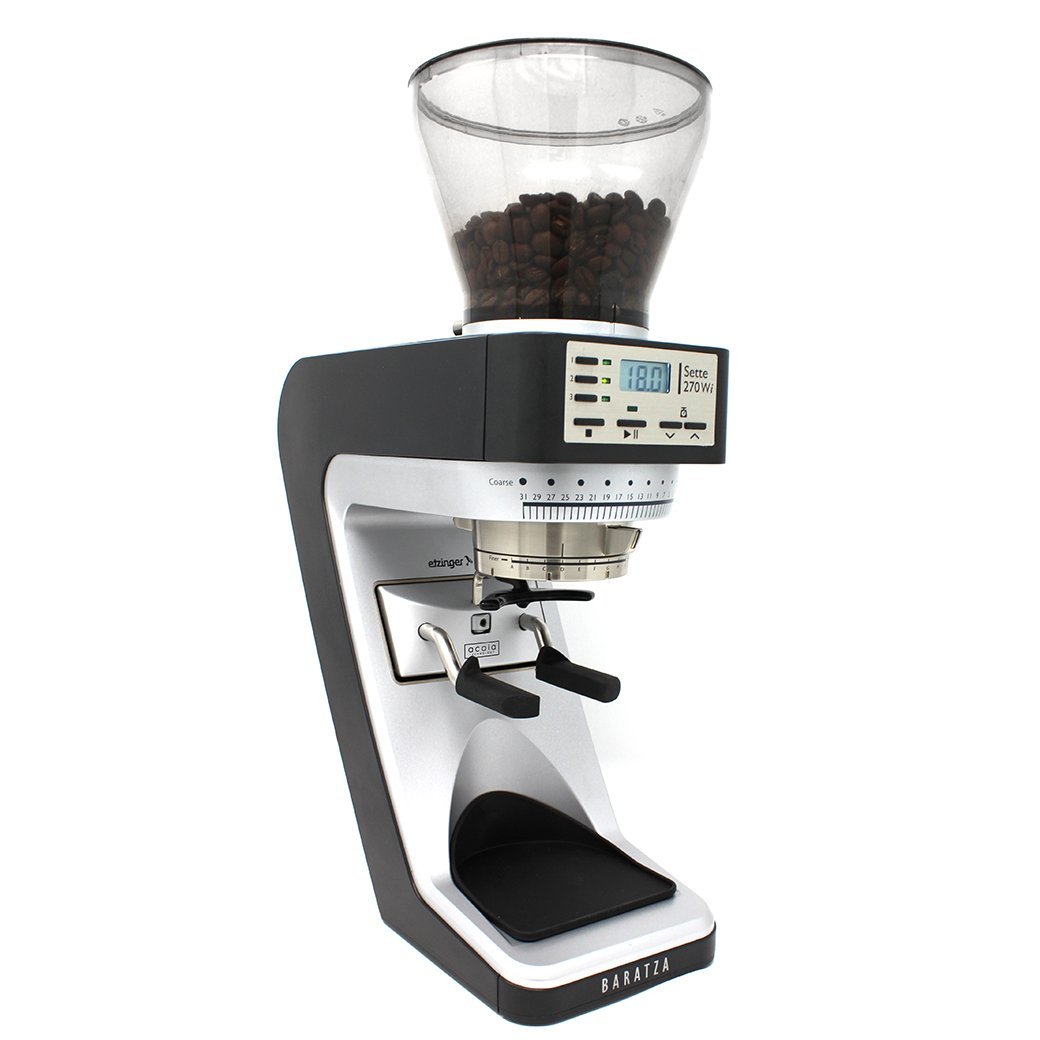
Burr Grinder
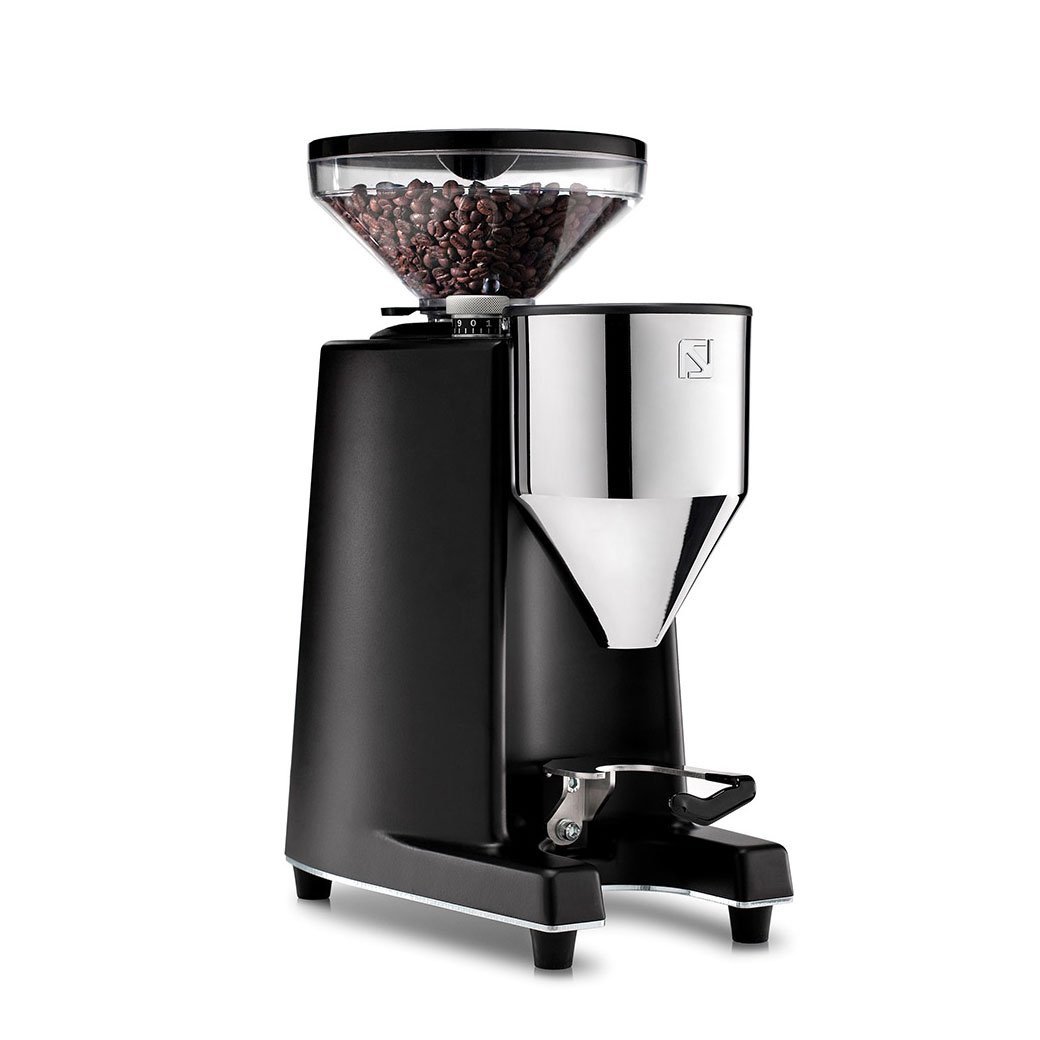
Here's how it works: there are two pieces of
burred metal, sometimes flat, sometimes
cone-shaped, that lie on top of one another (in
the case of conical, inside one another). The
metal pieces rub together, beans pass through,
and the grounds are mashed out into a hopper or
a (doser) chute. Usually only one of the metal
burred pieces moves, but in some models both
move against each other.
The closer each
burred piece of metal is to the other, the finer
the resulting coffee grain. In professional
burr grinders, the grinder is calibrated by
setting the selector to the coarsest grind, and
adjusting the master dial just until it squeals
or whistles (this means the burrs are touching,
ouch!), and then ever so lightly tapping it back
a notch in the reverse direction. Then the dial
is tightened down.
Unfortunately,
home units, particularly the less expensive
ones, are notorious for not being calibrated
correctly, or having uneven distances between
each burr plate during the grinding. This,
combined with very few, dull, or poorly
constructed (made out of cheap metal) burrs, is
what causes uneven granule size in burr
grinders.
There is debate
over which kinds of burr grinders are better:
flat or conical. The debate is "heated" in that
the general school of thought is that conical
grinders diffuse the heat better, given the
shape, than flat burr grinders. Most burr
coffee grinders can really get up there in
speed, some edging on 1500 rpm. The flat
grinders are the ones preferred by massive coffee packaging companies because of
the convenience.
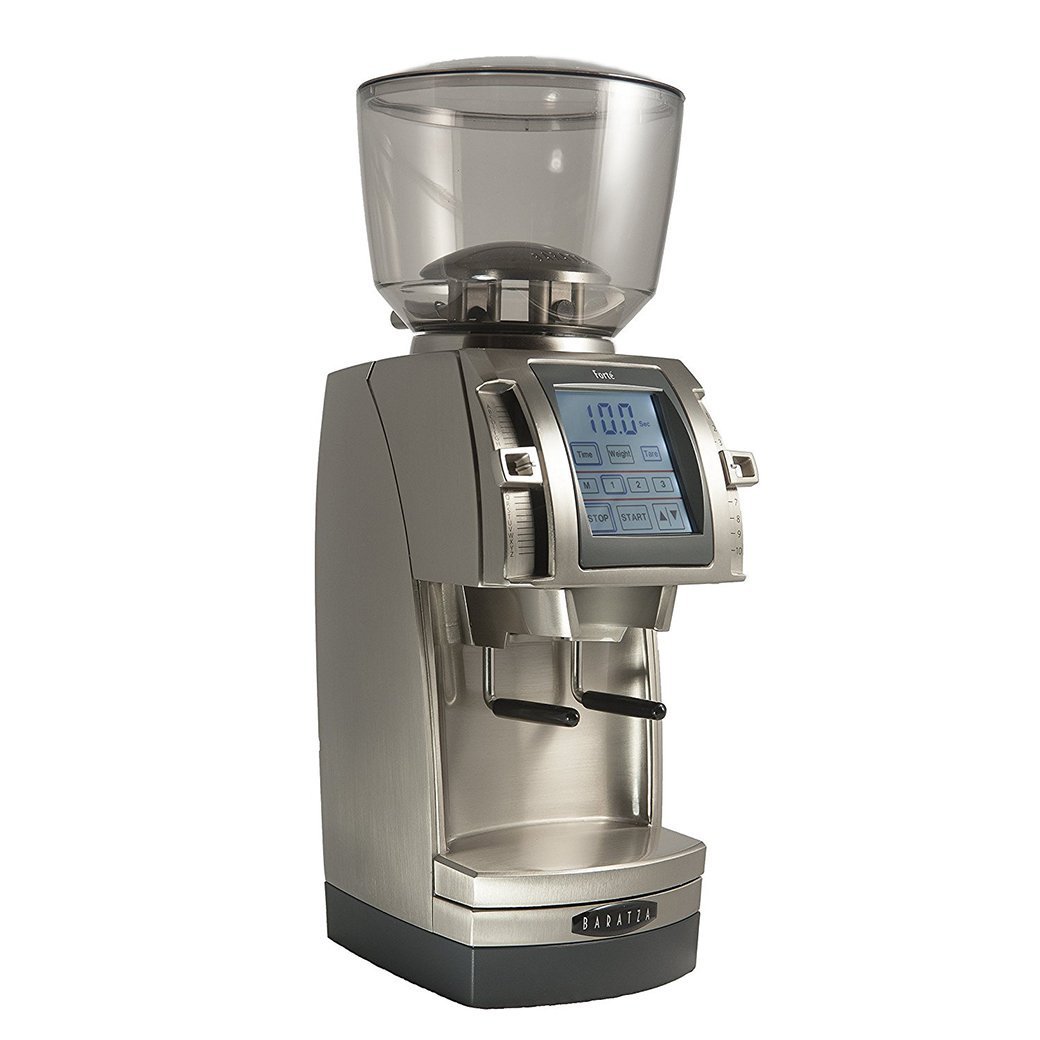
In my opinion, for
home use there really is no great difference
between the type of burr grinder you use in
terms of the finished product. Generally, the
burrs in a grinder under one hundred dollars
will produce a grind less consistent than a
professional burr grinder and much more
consistent than any blade grinder. The burr
grinders over one hundred dollars usually have
more metal in their guts and the burrs are
sharper and more precisely set. Furthermore, they have a sturdier burr
assembly, which means you can adjust the
fineness... well, finer, and the burrs will
actually stay where you set them. So, if you
are grinding for an espresso machine, do
yourself a favor and purchase a top-of-the-line
burr grinder.
Manual Crank
Grinders -- Biceps
Okay, truth be told I just wanted another
the third "B-word", "bicep", in the title. This
category is actually a subcategory of the blade
or burr grinder category. The only difference
is that the driving force is not an electric
motor, but your arm, which cranks a set of
blades or burred plates. However, since most quality
hand crank grinders are built with a minimum number
of parts, they will outlive most electric burr models for under one
hundred dollars. Even better, and this one is
VERY important to me, most of these grinders
AREN'T PLASTIC! So, the grounds hopper doesn't
get that staticy mess of grounds all over its
walls or your counter. Most of these units have
a wooden or porcelain grounds hopper.
The drawback is
the work. And most manual grinders come with
only one grinding range: automatic drip.
But, if you have the time and energy, the grind
from one of these quality mechanisms will be
much more consistent than both a blade grinder
and an entry level electric burr grinder.
All in all, for
serious coffee drinkers, a burr grinder is the
way to go. And, in the past two years, great
leaps have been made in burr grinder
technology. But there is still a ways to go,
and that way focuses primarily on robustness of
the burr assembly. At the end of the day,
though, even a shoddy burr grinder beats
any blade grinder. |